
Latest posts
-
Strategic Acoustics: The Science of Cognitive Tuning at Work
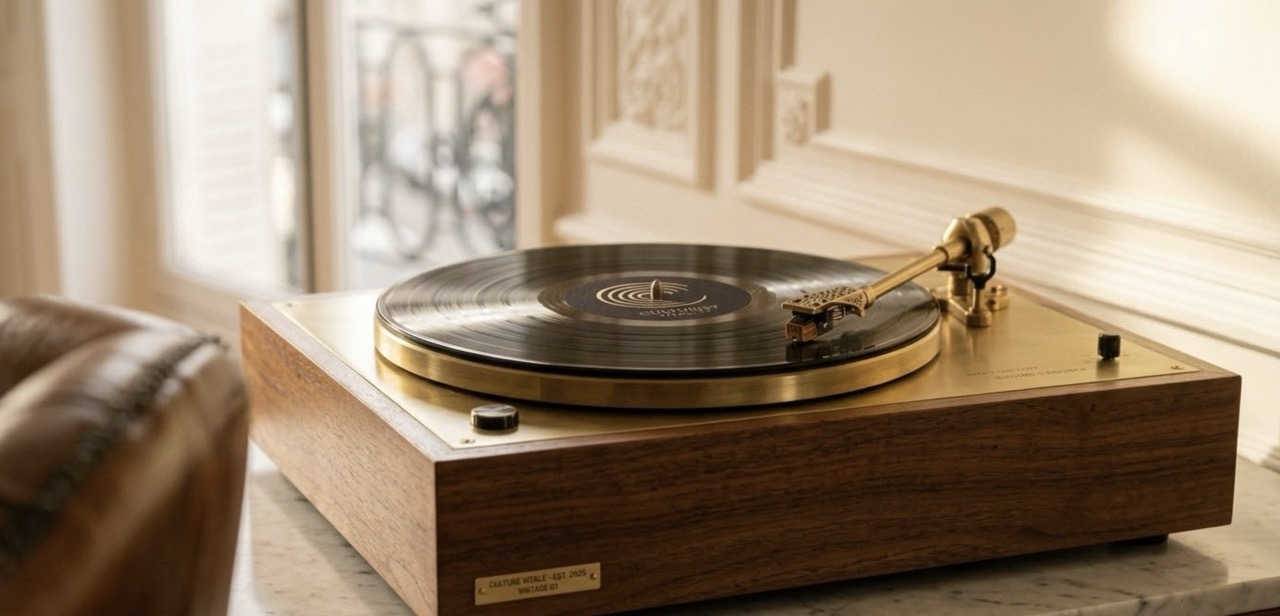
Walk onto any modern corporate floor from London or Sydney and the visual aesthetic is often impeccable. We invest heavily in circadian lighting, ergonomic chairs, and advanced air filtration. Yet we leave our most vulnerable sensory channel entirely unprotected. High-frequency sounds from sudden digital notifications to sharp environmental noise actively stimulate the sympathetic nervous system,
-
The Elegance Dividend: The Influence of Beauty on Work

Walk into a master watchmaker’s workshop in Geneva. The environment immediately commands a quiet respect. The physical tools resting on the bench are beautiful. The lighting is deliberate and casts a soft glow over the intricate components. Knowledge work is equally a craft. Yet we rarely treat our modern corporate environments with the same reverence.
-
How Silent ‘Brainwriting’ Generates 42% More Original Ideas
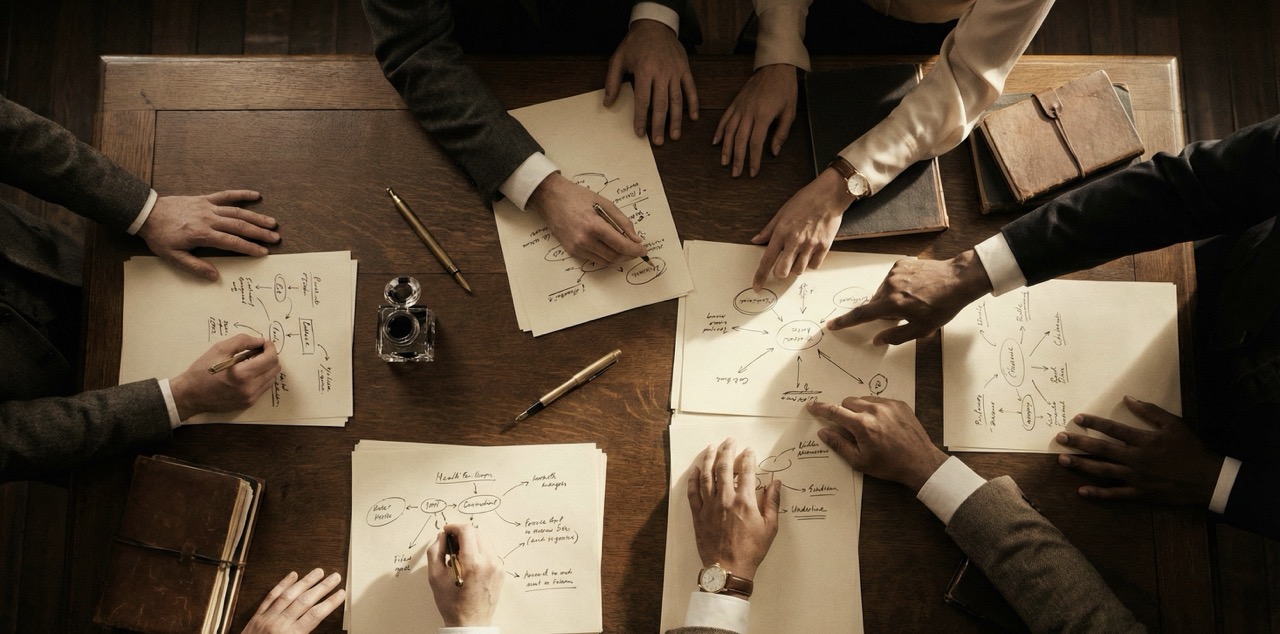
We spend vast resources acquiring diverse minds. We recruit for different backgrounds, cognitive styles, and observational depths. Then we place these carefully selected individuals into a room, present a complex problem, and ask them to shout out the answers. The deeply ingrained ritual of verbal brainstorming actively suppresses our best thinking. Why do we pay
-
The Economics of Levity: Why Serious Teams Need Humor
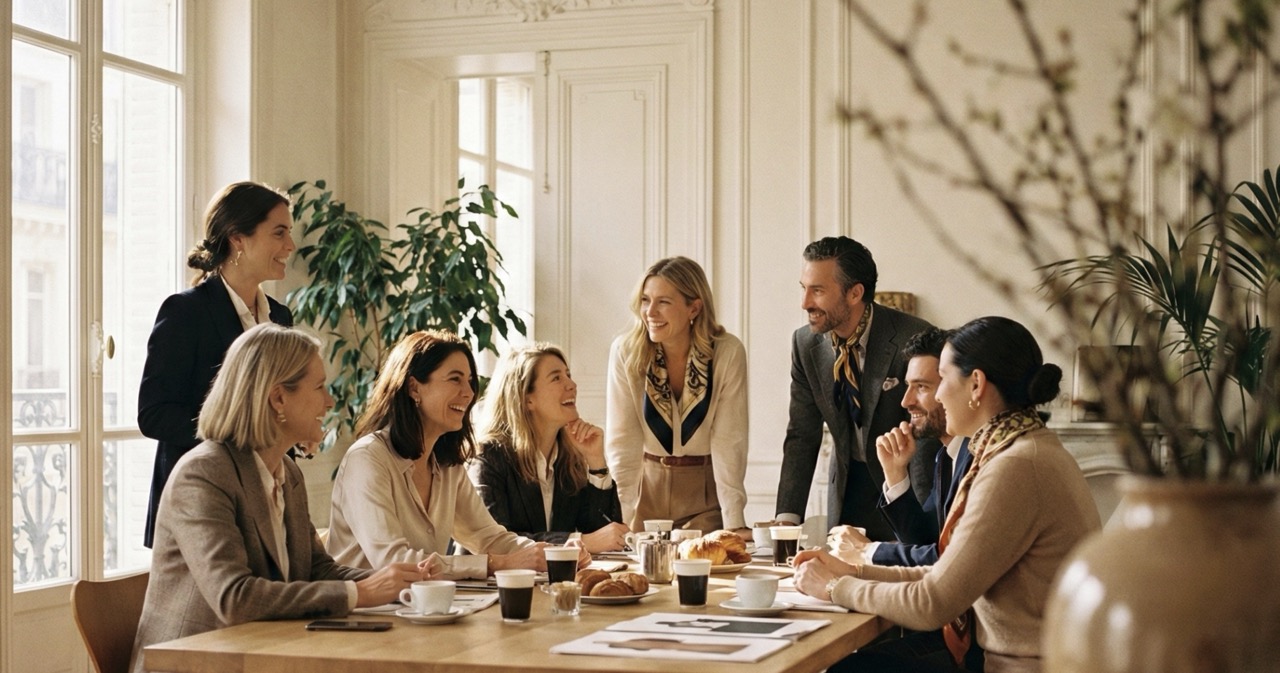
We’ve all been there – the glass-walled boardroom at 3:00 PM on a Thursday. The air in the room is stale, collars feel tight, and the faces around the table are entirely stoic. We have conditioned ourselves to believe that gravity equals productivity. A visibly stressed, rigidly serious team is widely perceived as a dedicated
-
Tactile Intelligence: Why Your MacBook-Glued Team Needs Clay – Maker Breaks

Your brain is like a browser with 42 tabs.Passive breaks keep the tabs open. Manual tasks force you to close them. Modern work has perfected stimulation. Messages, feeds, dashboards, meetings stacked on meetings. We take breaks, but many of them are still input. The body stays still, the mind keeps running. We scroll, we sip
-
The Cost of Silence: How Low Psychological Safety Taxes Your EBITDA
In the audit of a company’s health, we look at cash flow, margins, and debt. We rarely look at the Silence. Silence in an organization is often mistaken for agreement. A quiet boardroom is viewed as a sign of alignment; a lack of dissenting emails is viewed as efficiency. But to the forensic observer of
-
The “Pre-Mortem” Protocol: Using Visualization to Prevent Project Failure

In the standard project kickoff meeting, the mood is almost always one of optimism. We look at the Gantt charts, we approve the budget, and we agree on the milestones. We operate under the collective delusion that if we plan perfectly, execution will be perfect. This is Optimism Bias—a biological default setting that blinds us
-
Visual Intelligence: How Art-Making Lowers Biological Stress Markers
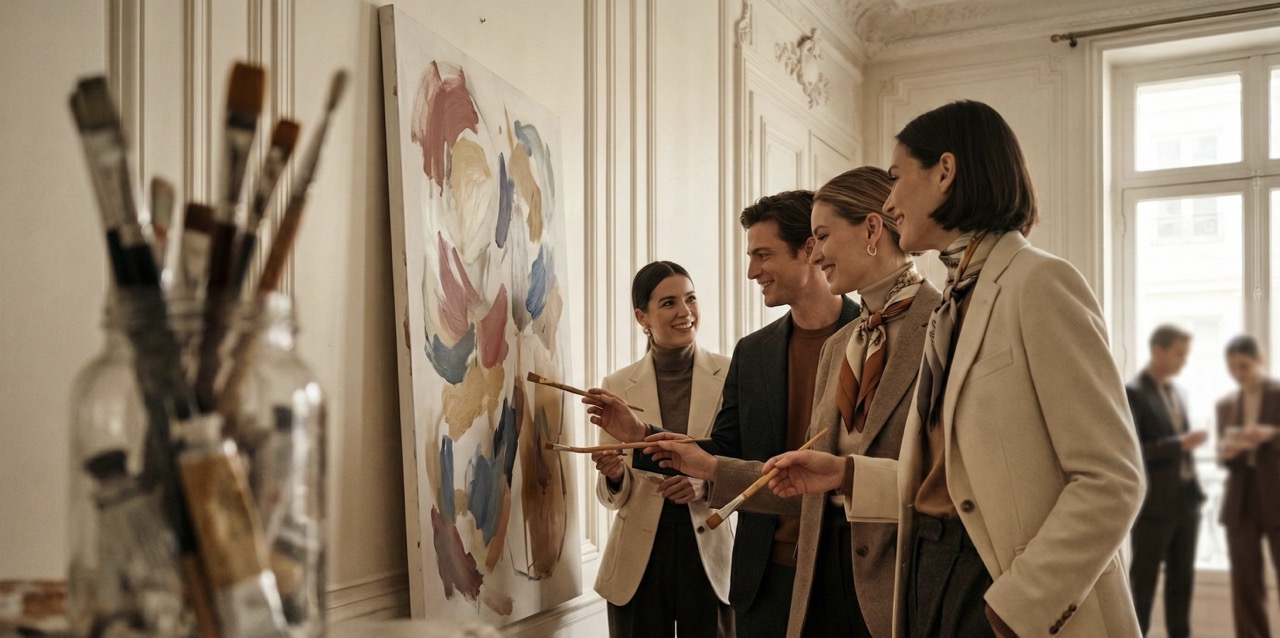
In the hierarchy of corporate skills, “Visual Expression” is often relegated to the bottom rung. Unless one works in design or marketing, the act of drawing, painting, or sculpting is viewed as a regression—a return to the kindergarten classroom. Serious business, we are told, is conducted in spreadsheets, memos, and code. It is linear, verbal,
-
Feedback Loops: A Protocol for “High-Trust” Critiques
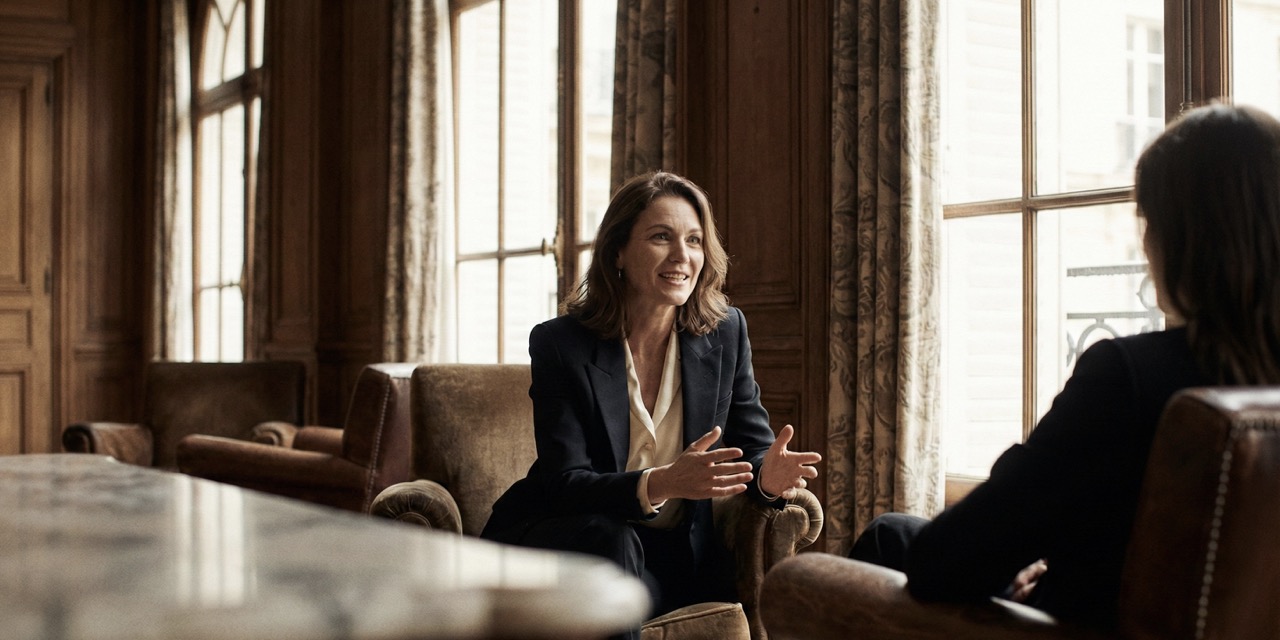
In the lexicon of management, few phrases trigger a more immediate biological recoil than: “Can I give you some feedback?” For the receiver, this question is not an invitation to learn; it is a threat alert. The brain’s amygdala—the ancient sentry responsible for survival—interprets a challenge to one’s status or competence in the same way
-
The Nose Knows: How Olfactory Branding Triggers Client Memory 2x Faster

In the architecture of a brand, we are obsessed with the visual. We codify our hex codes, we police our typography, and we spend millions on logo redesigns. We operate on the assumption that the eye is the primary gateway to the client’s mind. Biologically, this is a partial truth. The eye is the gateway