
Latest posts
-
The Nose Knows: How Olfactory Branding Triggers Client Memory 2x Faster

In the architecture of a brand, we are obsessed with the visual. We codify our hex codes, we police our typography, and we spend millions on logo redesigns. We operate on the assumption that the eye is the primary gateway to the client’s mind. Biologically, this is a partial truth. The eye is the gateway
-
Stop Asking “How Are You?”: 5 Better Questions for Your 1:1s

The weekly 1:1 meeting is the heartbeat of management. Ideally, it is a space for coaching, alignment, and unblocking. In reality, it is often a wasted ritual. It almost always begins with the same four words: “How are you doing?” And it almost always receives the same, automated response: “Fine. Busy. You?” This exchange is
-
Cognitive Reserve: How Novelty Protects the Aging Executive Brain

In the trajectory of a high-level career, experience is the ultimate asset. We value the seasoned executive for their pattern recognition—the ability to look at a complex balance sheet or a geopolitical crisis and intuitively know the solution because they have seen the pattern before. However, from a neurological perspective, this efficiency comes with a
-
Beyond the EAP: Why “Wellness” Programs Are Failing High-Performers
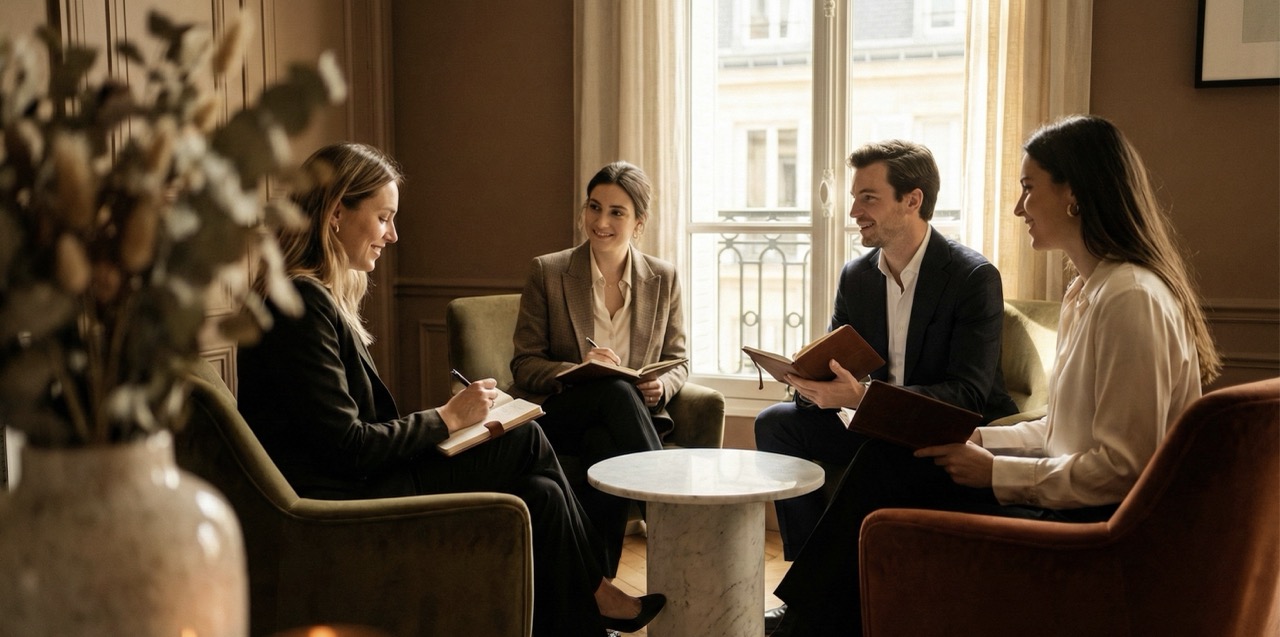
In the toolkit of modern HR, the Employee Assistance Program (EAP) is a staple. It is the standard answer to the question of employee well-being: a digital portal offering crisis hotlines, meditation apps, and discounted gym memberships. For the average employee, the EAP is a safety net. It is a necessary, foundational layer of support
-
The 10-Minute Morning Huddle: A Protocol for Hybrid Teams
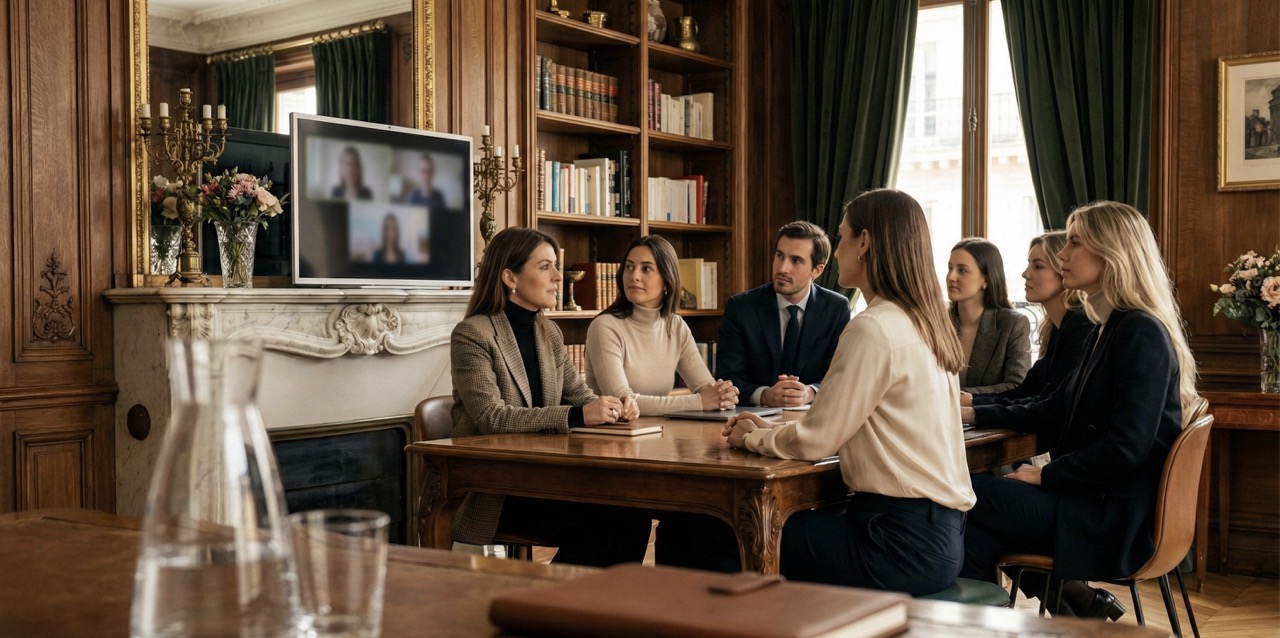
In the shift to hybrid and remote work, we gained flexibility, but we lost osmosis. We lost the “Good morning” while waiting for the coffee machine. We lost the visual scan of the office that told us who was stressed, who was energized, and who needed help. Without these organic touchpoints, teams drift. Work becomes
-
The Taste of Trust: The Gut-Brain Connection in Client Lunches

In the world of business development, the “Power Lunch” is a cliché. It conjures images of steakhouses, martinis, and transactional conversations held over white tablecloths. We view the food as fuel and the table as a desk. But to a neurobiologist, a shared meal is not a meeting with calories. It is a profound biological
-
Beyond Mindfulness: Why Stanford Data Suggests Breathwork Wins for Acute Stress

For the past decade, the corporate answer to the problem of stress has been singular: Mindfulness. From Silicon Valley campuses to London banking floors, the advice given to the overwhelmed executive is consistent: “Meditate.” Mindfulness is an exceptionally powerful tool for building long-term cognitive resilience. However, in a moment of acute crisis—when a deal is
-
The Narrative Strategy: Aligning the C-Suite Around a Single Story
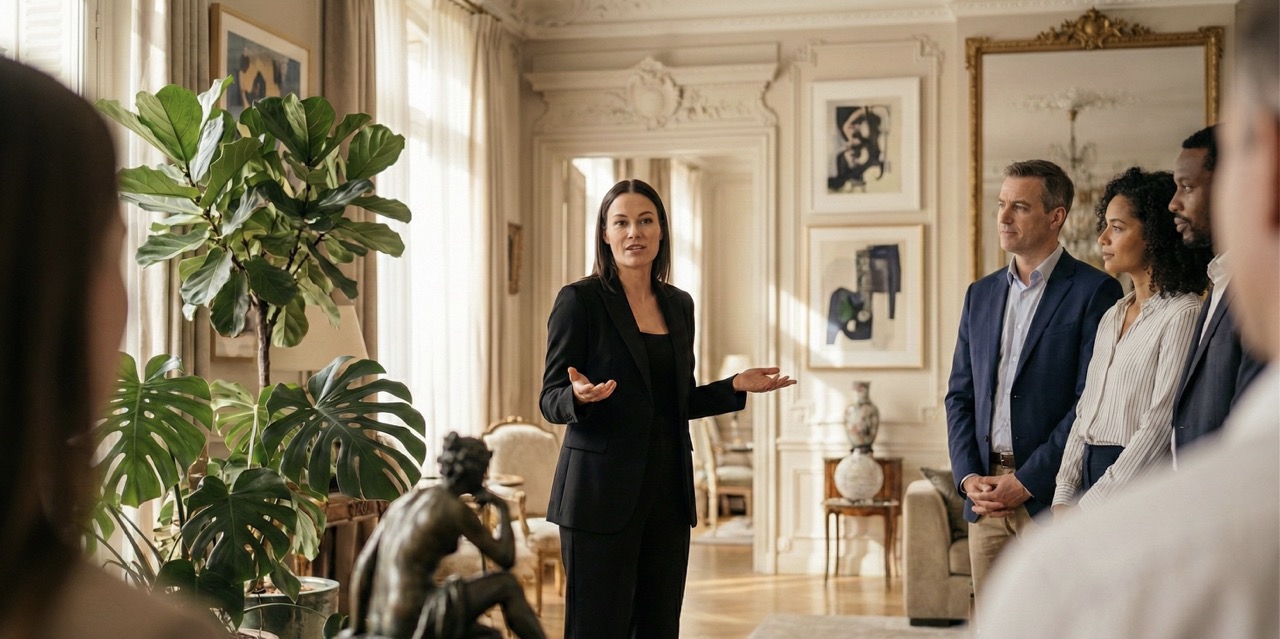
The most dangerous moment for any organization is not the crisis; it is the Monday morning after the strategy offsite. The Executive Committee has spent three days in a retreat. They have agreed on the pillars, approved the budget, and signed off on the 100-slide deck. There is a feeling of consensus. Yet, within six
-
The “Deep Work” Wednesday: Implementing Quiet Time for Innovation

In the open-plan architecture of the modern office—and the digital architecture of Slack and Teams—silence has become a luxury good. We have engineered environments optimized for collaboration, but in doing so, we have accidentally engineered environments hostile to concentration. The average knowledge worker is interrupted every 11 minutes. Yet, the cognitive cost of these interruptions
-
The Vernissage Effect: What Co-Creating Art Teaches Us About Team Dynamics
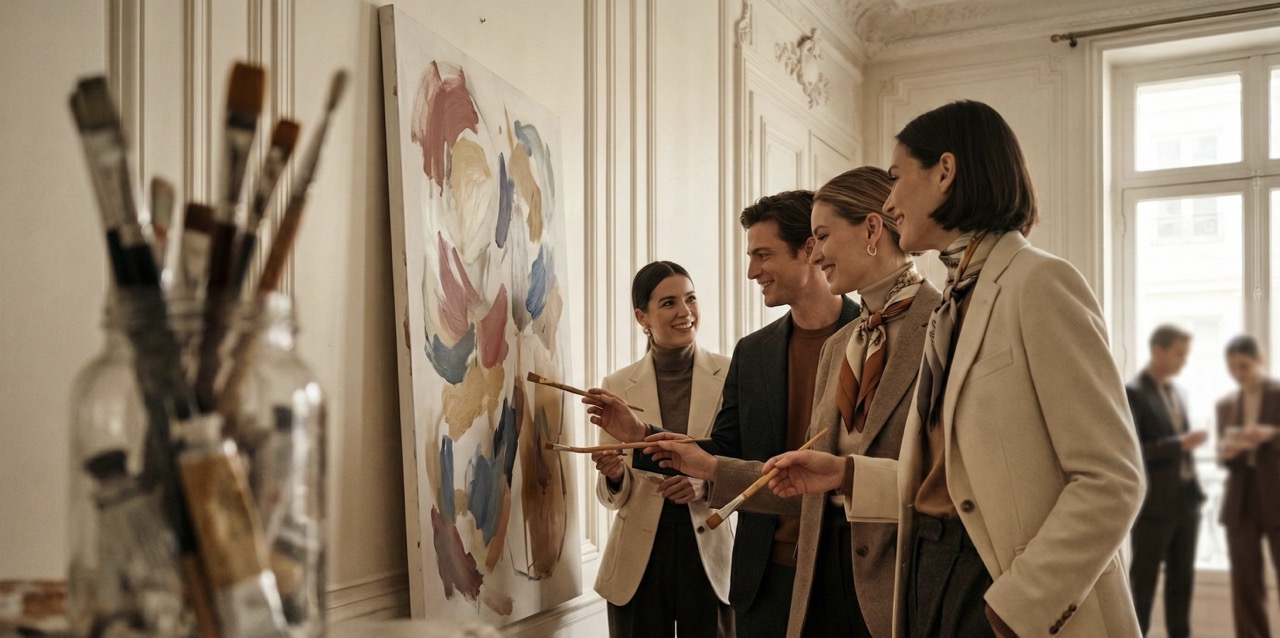
In the art world, the “Vernissage” (or varnishing day) is a ritual of completion. It is the moment a private creation becomes a public reality. It is a celebration not just of the canvas, but of the labor that produced it. In the corporate world, we rarely have Vernissages. We have “post-mortems.” When a project