
Latest posts
-
The Vagus Nerve: The CEO’s Secret Weapon for Emotional Regulation
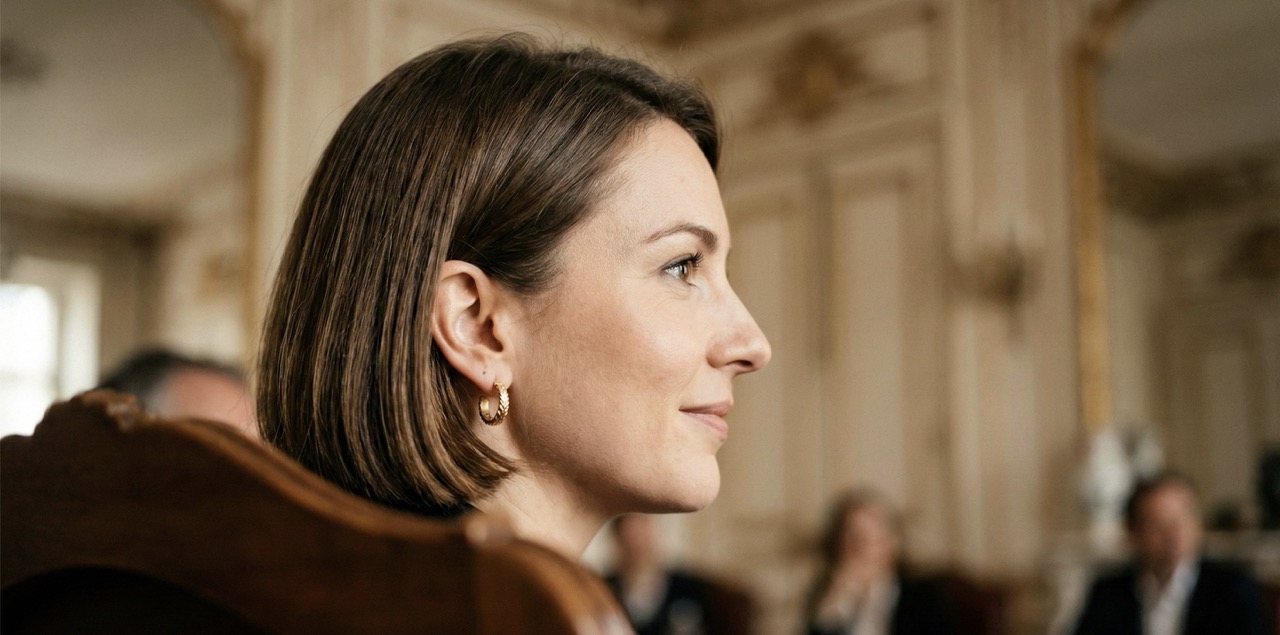
In the mythology of leadership, we often celebrate the “Poker Face.” We praise the executive who can sit through a crisis meeting or a hostile negotiation without showing a flicker of emotion. We view composure as a matter of willpower—a “top-down” command from the brain to the body to stay still. But biologically, the “Poker
-
The Curator’s Eye: Why the Modern Executive Needs to Think Like an Art Director

In the legacy model of management, the executive is an administrator. Their role is defined by oversight, resource allocation, and the removal of obstacles. It is a mechanical function, born of the industrial age: keep the machine running. But in the knowledge economy, the machine is no longer mechanical; it is biological. It is human.
-
Celebrating the Wins: Why You Need More Than Just a “Thank You” Email

In the relentless cadence of modern business, the “completion” of a project is rarely a moment of pause. It is simply the signal to start the next one. When a team delivers a major milestone—launching a product, closing a deal, or navigating a crisis—the standard leadership response is often efficient but emotionally hollow: a mass
-
Hands-On Innovation: Escaping the Digital Screen to Solve Analog Problems

In the modern R&D laboratory—whether software engineering in Berlin or product design in Stockholm—the primary tool of creation is the screen. We design buildings in CAD, map user journeys in Figma, and write code in sterile text editors. We have digitized the act of invention. But while digital tools offer infinite precision, they often strip
-
The Science of the Break: Why “Powering Through” Destroys Productivity

In the mythology of the modern workplace, endurance is often conflated with effectiveness. We praise the executive who “powers through” lunch, the developer who codes for ten hours straight, and the manager who wears their lack of downtime as a badge of honor. But to a neurobiologist, “powering through” is not a display of stamina;
-
The Retention Economics of Purpose: Why Gen Z Talent is Leaving Your Team

For decades, the elite sectors of the economy—Management Consulting, Investment Banking, and Big Law—have operated on a ruthless but effective social contract. It is known as “Up or Out.” The deal was explicit: You give us your twenties, your sleep, and your total obedience. In return, we give you prestige, high compensation, and a golden
-
Five Micro-Rituals That Quietly Transform Team Cohesion

In the landscape of corporate culture, “Team Building” has a branding problem. For many seasoned professionals, the phrase evokes forced fun, awkward icebreakers, and a profound waste of time. This cynicism is a defense mechanism. Teams are often skeptical not because they dislike connection, but because they dislike performance. They resent being forced to perform
-
The Art of the “Arrival”: Designing the First 60 Minutes of a Client Event
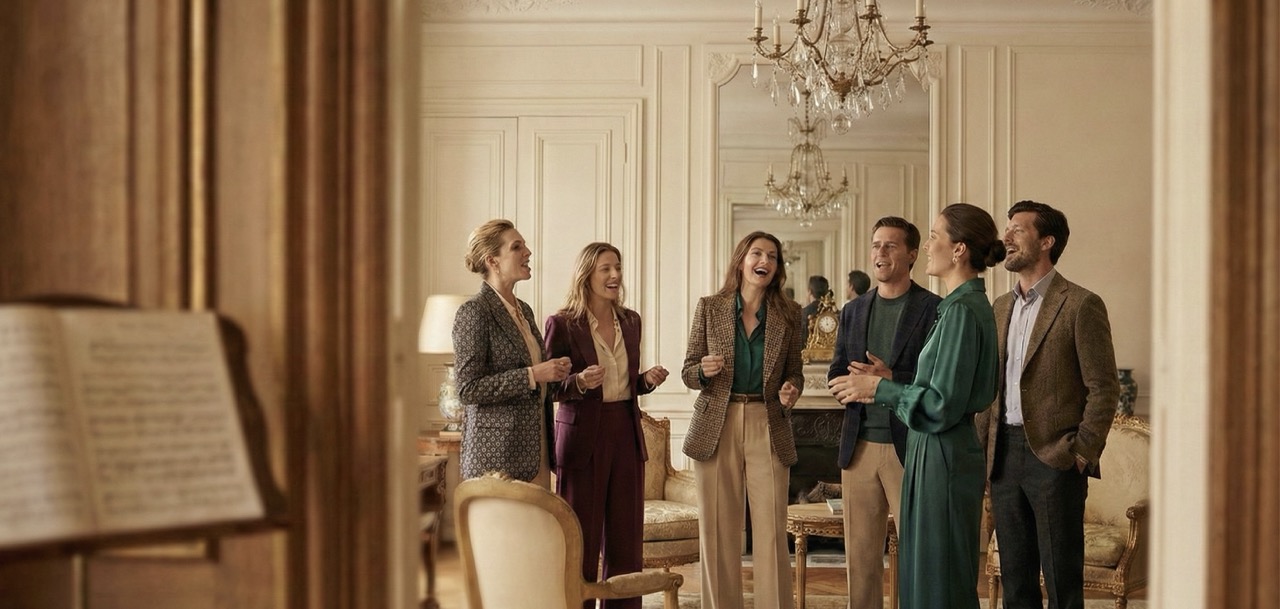
In the choreography of a client event—whether a leadership summit in Milan or a VIP product launch in Sydney—we often expend 90% of our energy designing the “Core Content.” We agonize over the keynote speech, the dinner menu, and the slide deck. Yet, the success or failure of the event is often determined before the
-
The Physiology of Trust: Oxytocin and the collaborative Brain

In the architectural blueprints of most organizations, “Trust” is often listed as a core value. It is printed on lobby walls and embedded in mission statements. It is treated as a moral virtue—something nice to have, like good coffee or ergonomic chairs. But to the neurobiologist, trust is not a virtue. It is a biological
-
The Burnout Tax: Quantifying the Cost of Executive Exhaustion
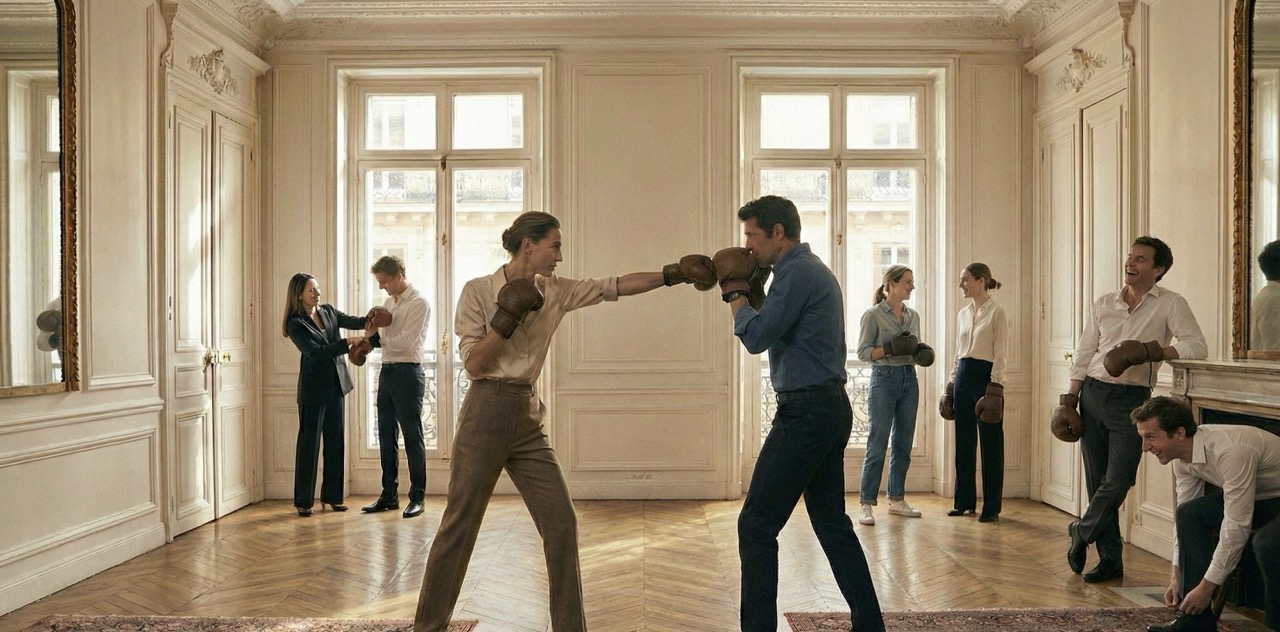
In the accounting of a modern enterprise, we meticulously track the depreciation of physical assets. We calculate the wear and tear on machinery, the obsolescence of software, and the amortization of real estate. We understand that pushing a machine beyond its red line eventually leads to a catastrophic—and expensive—failure. Yet, when it comes to the