Five Micro-Rituals That Quietly Transform Team Cohesion
Five small rituals, from a capacity check-in to a hard stop, that build trust and cohesion without a single forced icebreaker.
Offer portfolio
View our top experts & sessions in your city or location

Thousands of experiences and experts across fifty-plus locations
Our Partners Led








“…beautifully orchestrated. It was pure magic.”
Ex-Director, Burberry
Five micro-rituals, each a small recurring habit with a clear meaning, can quietly transform team cohesion: a capacity check-in, a rough-draft preamble and three more, set out below. Seasoned professionals warm to connection that feels native to the work they actually do.
What teams resist is performance: being asked to act out "closeness" in a way that feels unrelated to their work. What they welcome is a shared habit that makes the work itself feel safer and more meaningful.
Culture grows in the micro-moments between the work, and a well-designed facilitated team day is often where a ritual starts: the team tries it together once, names it, and carries it back into the week.
To transform a skeptical team, you do not need a grand gesture. You need a Micro-Ritual. A ritual is simply a recurring behavior that carries symbolic meaning. It signals to the group: "We are safe here," or "We value this."
Sessions to book
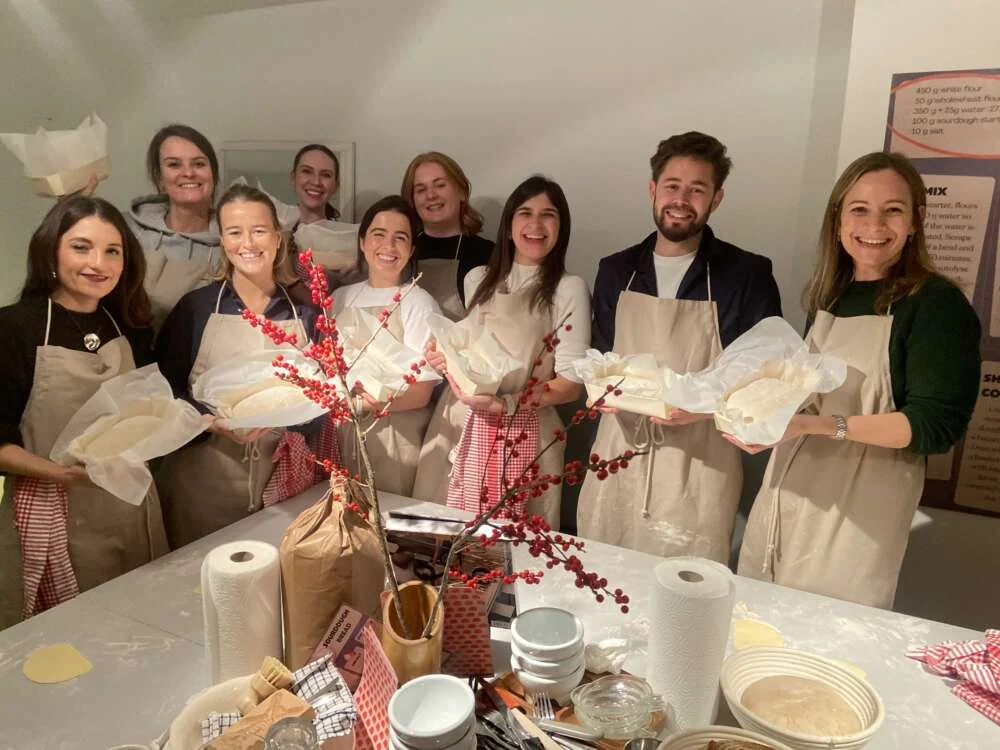
Shaping bread, shaping teams
A small team bakes together and everyone leaves holding a loaf they made.
With Joanna
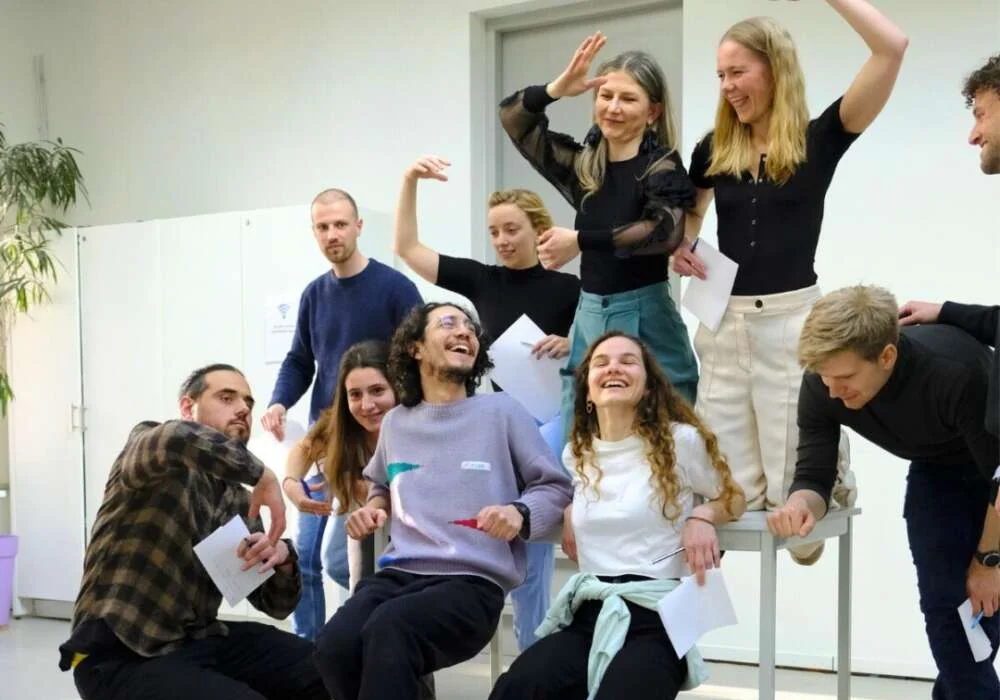
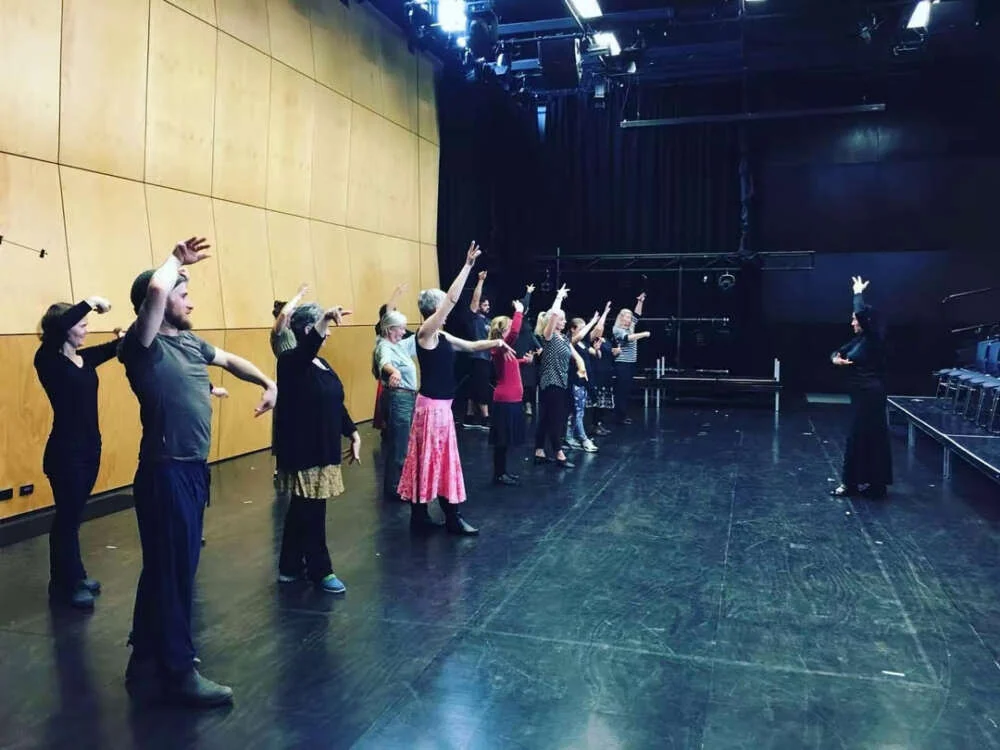
Flamenco and the search for duende
Rhythm, posture and a little courage, a ritual a team can carry into its week.
With Marina
Purpose pause
Fifteen to thirty minutes of guided stillness that brings a team back to what matters before the next push.
With Agata

The ROI of Habit
Why do these small, repetitive actions matter? Because the human brain craves predictability and meaning.
When a team engages in a shared ritual, no matter how small, it synchronizes their expectations. It creates a "boundary" around the team that distinguishes "us" from "them."
Research from Harvard Business School suggests that these symbolic actions have a tangible impact on how employees perceive their labor.
By increasing the sense of meaning, you implicitly increase engagement and retention without ever using those words.
The Protocol: 5 Low-Barrier Rituals
Here are five micro-rituals designed for high-performance teams. They require zero budget and minimal time, but consistent application.
1. The "Traffic Light" Check-In (Capacity Management)
The Problem: Teams assume everyone is operating at 100% capacity until someone burns out.
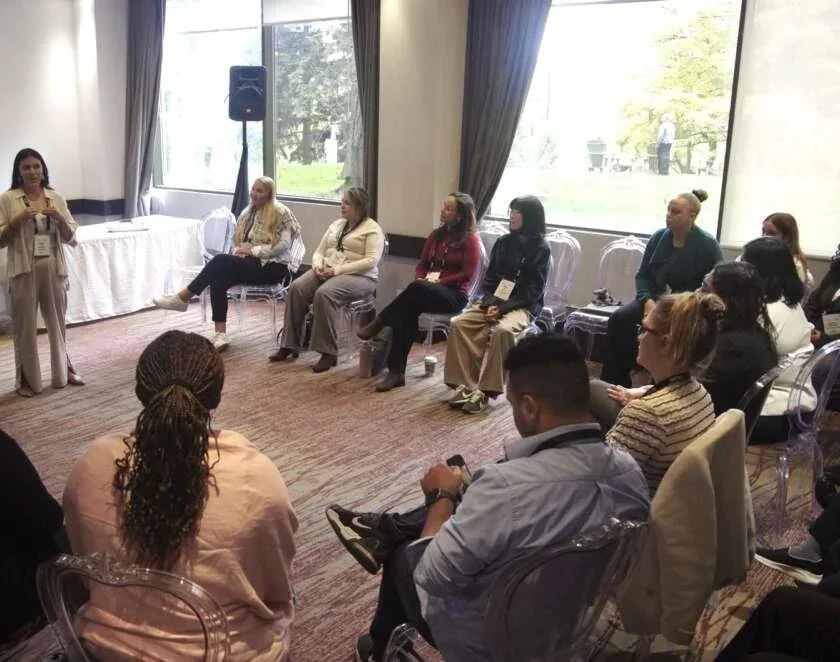
The Ritual: At the start of a weekly sprint meeting, every member gives a "Traffic Light" status regarding their bandwidth and energy.
- Green: "I have space. I can help others."
- Amber: "I am at capacity. I can handle my load, but no more."
- Red: "I am underwater. I need support or a deadline shift."
The Value: It removes the shame of being overwhelmed and replaces it with operational data.
2. The "Rough Draft" Preamble (Psychological Safety)
The Problem: Perfectionism kills innovation. People are afraid to share half-formed ideas for fear of judgment.
The Ritual: Codify a phrase that signals safety. Before sharing an early idea, a team member says, "This is a Rough Draft."

The Rule: When this phrase is used, the team is forbidden from critiquing the feasibility. They may only build on the concept ("Yes, and...").
The Value: It creates a temporary "Demilitarized Zone" for creativity in the middle of a logical meeting.
3. The "One-Breath" Transition (Regulation)
The Problem: Rushing from a stressful crisis meeting directly into a creative brainstorm carries the cortisol from one to the other.
The Ritual: When the team switches contexts, the lead says, "Let’s take a beat." The team closes their eyes (or lowers their gaze) and takes one collective, deep inhale and exhale together.
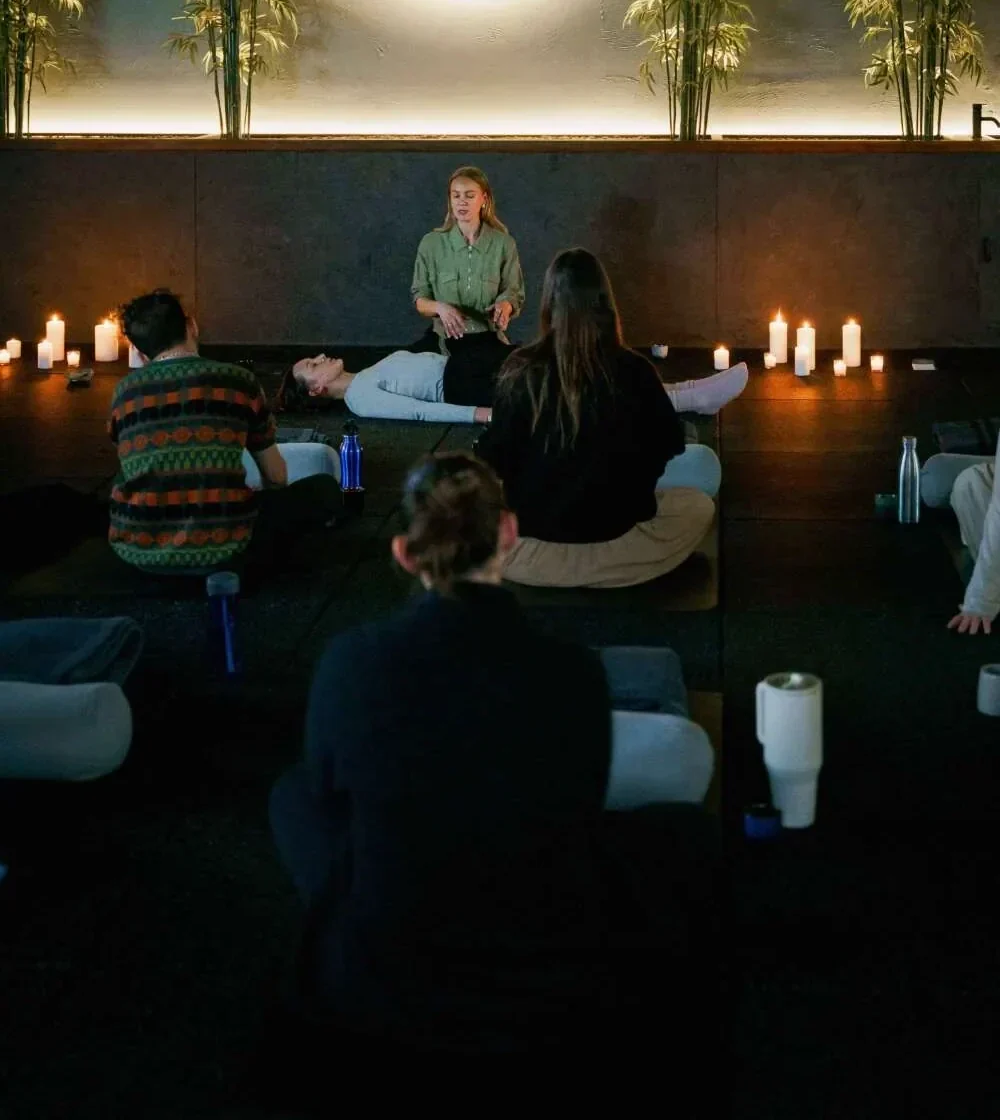
The Value: It is a biological reset button. It synchronizes the group's nervous systems and signals that the previous task is finished.
4. The "Kudos" Loop (Recognition)
The Problem: We are wired to notice errors, not successes. "Wins" are often glossed over in the rush to the next problem.
The Ritual: End the weekly meeting not with "Next Steps," but with "Kudos." Dedicate the final 120 seconds to allowing team members to thank each other (not the boss thanking the team) for specific help that week.
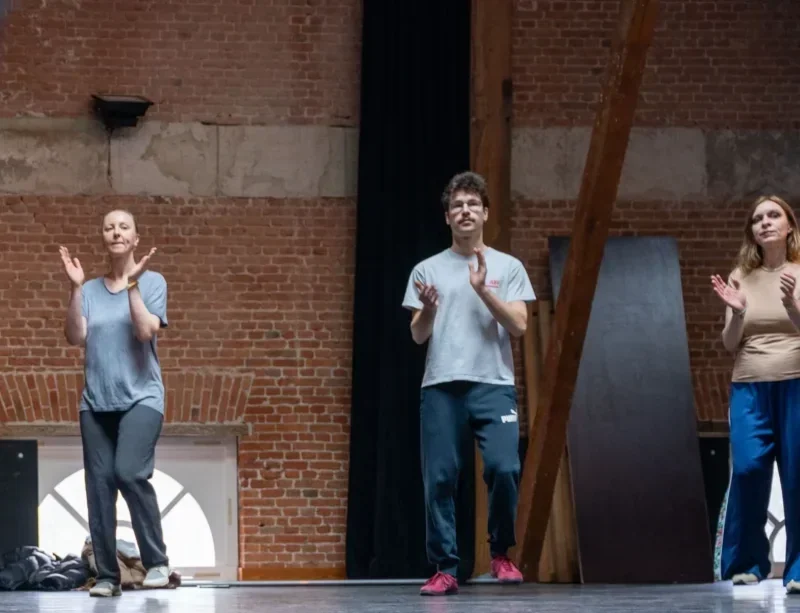
The Value: Peer-to-peer recognition builds cohesion in a way top-down praise rarely does, because it comes from the people you work beside.
5. The "Hard Stop" (Boundaries)
The Problem: Meeting creep signals a lack of respect for time.
The Ritual: Conclude every meeting 5 minutes early (e.g., at :25 or :55). If the conversation is still going, the leader stands up (or closes the screen share) and says, "We are respecting the time."
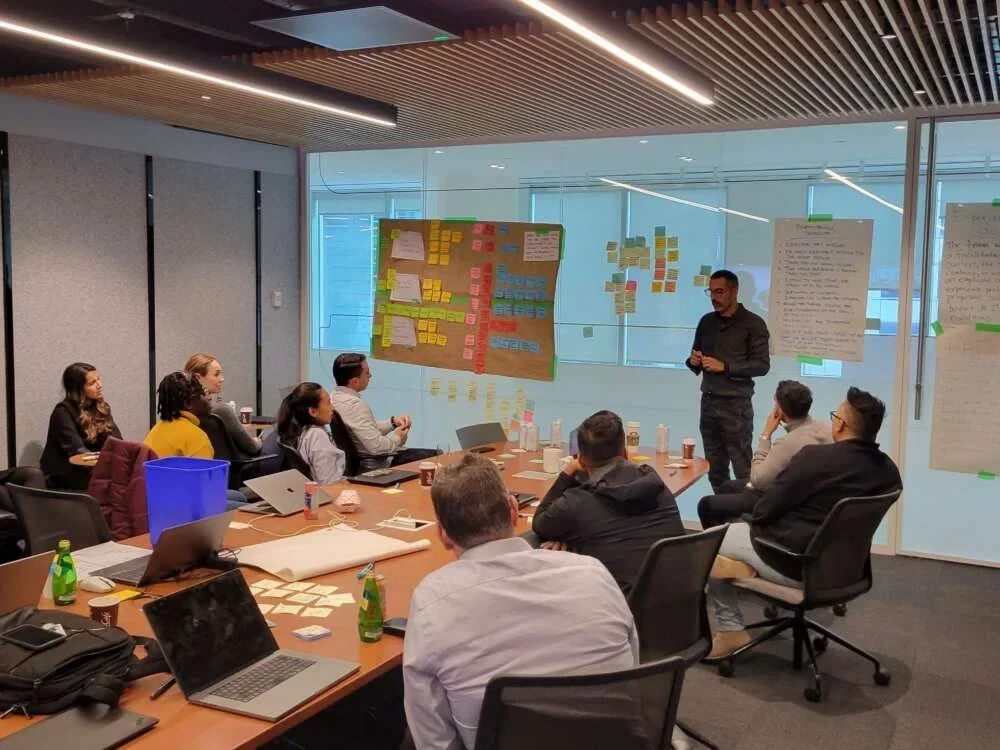
The Value: It signals that the organization values the people (their time/sanity) more than the topic. It builds trust that the leader is a guardian of the team's resources.
The Human Moment
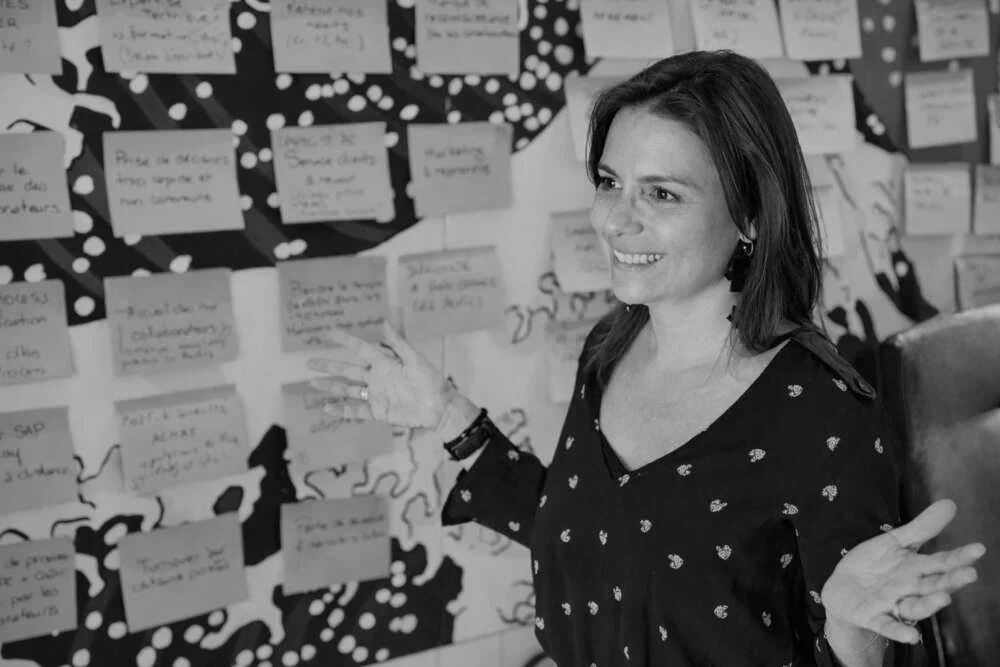
Consider the archetype of a high-pressure Legal team in Zurich. They are trained to view invulnerability as a professional requirement. When presented with a "check-in" ritual, their default response is skepticism; to them, admitting weakness is a liability.
Now, play out the scenario. In the third week of the "Traffic Light" experiment, a Senior Partner finally drops the armor and admits he is "Red." The room goes silent. The hierarchy usually dictates that the senior protects the junior.
But the dynamic flips. Instead of judgment, a Junior Associate immediately offers to take a heavy research task off the Partner's plate. The energy in the room shifts instantly from "competition" to "support." The ritual didn't change the brief or the deadline; it simply changed the permission structure to be human.
Next Step
Reflect: Which of these rituals would feel most natural to your team's current culture?
Act: Pick one ritual and run it as an experiment for two weeks. Do not announce a "culture change." Just start the practice.
Start a ritual with your team
Tell us the team, the goal and the date. We reply with team-day formats and the experts who lead them, in any city, so the habit starts on a shared day.
Tailored options, quickly.