Resilience Workshops for Employees: Activities and Agenda
Practical resilience activities for stress, adaptability and recovery, with a 90-minute session, a half-day agenda and simple ways to measure what changed.

Offer portfolio
View our top experts & sessions in your city or location
Thousands of experiences and experts across fifty-plus locations
Our Partners Led








“…beautifully orchestrated. It was pure magic.”
Ex-Director, Burberry
Resilience workshops for employees should include three types of activity: stress regulation (breathwork, mindfulness, somatic techniques), adaptability and cognitive flexibility training, and recovery practices that restore energy after sustained demand. The most effective workplace resilience workshops are evidence-based, practically structured, and careful to distinguish genuine resilience building from toxic resilience messaging: the expectation that employees should simply endure poor working conditions by working harder on their mindset. This guide covers what works, what to avoid, sample 90-minute and half-day workshop structures, and how to measure impact.
Each of these can run as a corporate resilience workshop for employees and their managers, in person, online or hybrid, from a 90-minute session to a programme across a quarter, with a before-and-after read of the result.
Quick Reference: Resilience Workshop Activities by Goal
| Resilience goal | Best activity type | Duration | Group size | Watch-out |
|---|---|---|---|---|
| Stress regulation | Breathwork, mindfulness, somatic practice | 45 to 90 min | 8 to 50 | Frame as physiology, not spirituality |
| Cognitive flexibility | Perspective-taking exercises, scenario work | 90 min to 2 hours | 8 to 25 | Must feel relevant to real work context |
| Recovery and restoration | Sound bath, nature session, creative practice | 45 to 90 min | 8 to 40 | Should complement, not substitute for structural workload relief |
| Emotional regulation | Facilitated reflection, journaling, peer dialogue | 60 to 90 min | 8 to 20 | Needs high psychological safety and skilled facilitation |
| Adaptive capacity | Improv, creative problem-solving, scenario planning | 2 to 3 hours | 10 to 30 | Analytical teams may need explicit rationale for creative formats |
| Full resilience workshop | Multi-modal: education + practice + debrief | Half day | 10 to 30 | Must address both individual tools and team/org conditions |
What Workplace Resilience Is
Workplace resilience is the capacity to respond to difficulty, setback, and sustained pressure without a sustained deterioration in functioning, wellbeing, or performance. It is not the absence of stress. It is the ability to move through stress and recover from it. The evidence-based definition from occupational psychology treats resilience as a dynamic, trainable capacity rather than a fixed personality trait.
Resilience in teams is qualitatively different from resilience in individuals. Team resilience involves collective sense-making (the group’s ability to interpret and respond to adversity together), role flexibility (the ability of team members to cover for each other under pressure), and social support (the degree to which team members actively sustain each other during difficult periods). The most effective resilience workshops address both the individual and the collective dimension.
Resilience work asks as much of the organisation as it does of its people.

What Workplace Resilience Is Not
The most important section of any resilience workshop brief. Workplace resilience is not:
- Endurance training. Teaching employees to tolerate poor working conditions, abusive management, or structural overload by developing a better mindset is not resilience building. It is a way of transferring organisational responsibility onto the individual.
- Positivity forcing. Resilience is not relentless optimism. It includes the ability to accurately acknowledge difficulty, grief, and limitation, and to continue functioning despite them.
- A substitute for structural change. If burnout is driven by chronic understaffing, poor leadership, or impossible workloads, a breathwork session does not fix it. Resilience workshops should be part of a systemic wellbeing strategy, not a replacement for one.
- The same as toughness. Toughness suppresses vulnerability. Resilience integrates it. Teams that appear tough are often brittle; teams that can acknowledge difficulty honestly tend to recover from it faster.
Why Resilience Workshops Matter Now
Deloitte’s 2026 Human Capital Trends report found that 85% of business leaders consider workforce adaptability critical to their organisation’s future, yet only 7% say they are leading in helping their workforce continuously grow and adapt. Gallup’s 2026 data shows 40% of employees experiencing significant daily stress globally. The WHO estimates that depression and anxiety, the two most common outcomes of sustained unmanaged stress, cost the global economy a trillion US dollars in lost productivity annually.
The gap between the resilience organisations need and the resilience development they actually invest in is large and widening. Resilience workshops are among the highest-leverage, lowest-disruption wellbeing interventions available to HR and L&D teams, when designed and delivered correctly.

Resilience Workshop Goals
A well-designed resilience workshop should set out to achieve at least two of the following:
- Build practical stress regulation skills participants can use within the week
- Increase cognitive flexibility and perspective-taking capacity
- Create shared language for the team around stress, recovery, and support
- Normalise the acknowledgement of difficulty without stigma
- Strengthen social support patterns within the team
- Equip managers with tools to support their team’s resilience without absorbing their stress
Activities for Stress Regulation
Stress regulation activities create an immediate, measurable physiological shift. They are the fastest-acting resilience tools and produce the most tangible in-session experience for participants.
Sessions to book
VitalFlow breath
An hour of seated, guided breathing that leaves a team clearer and calmer.
With Paulina
Improvisation that unlocks a team’s creativity
Improvisation games that train a team to adapt, accept the unexpected and think on its feet.
With Roser
Crystal calm: a sound bath with voice
Crystal bowls and voice for recovery after a demanding stretch.
With Vittoria
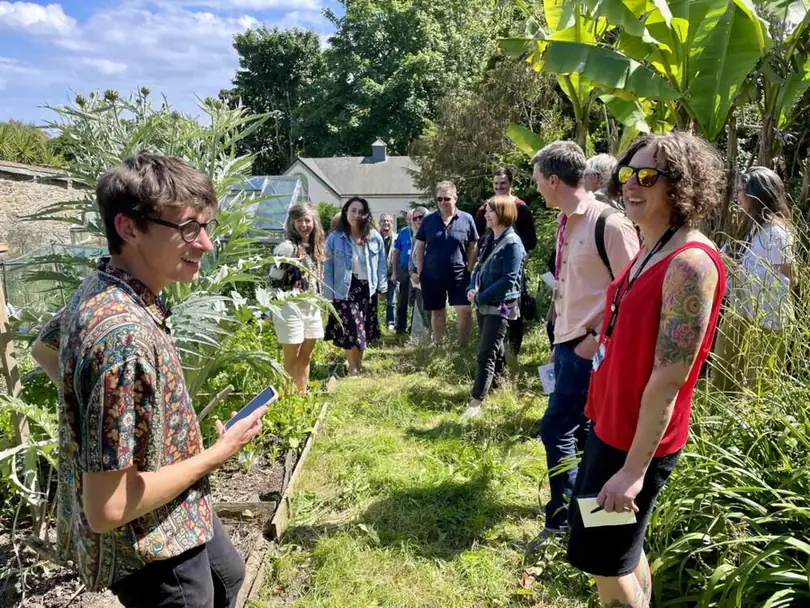
Back to nature
Time outdoors in nearby green space, a restorative walk that gives a small team room to think.
With Jake
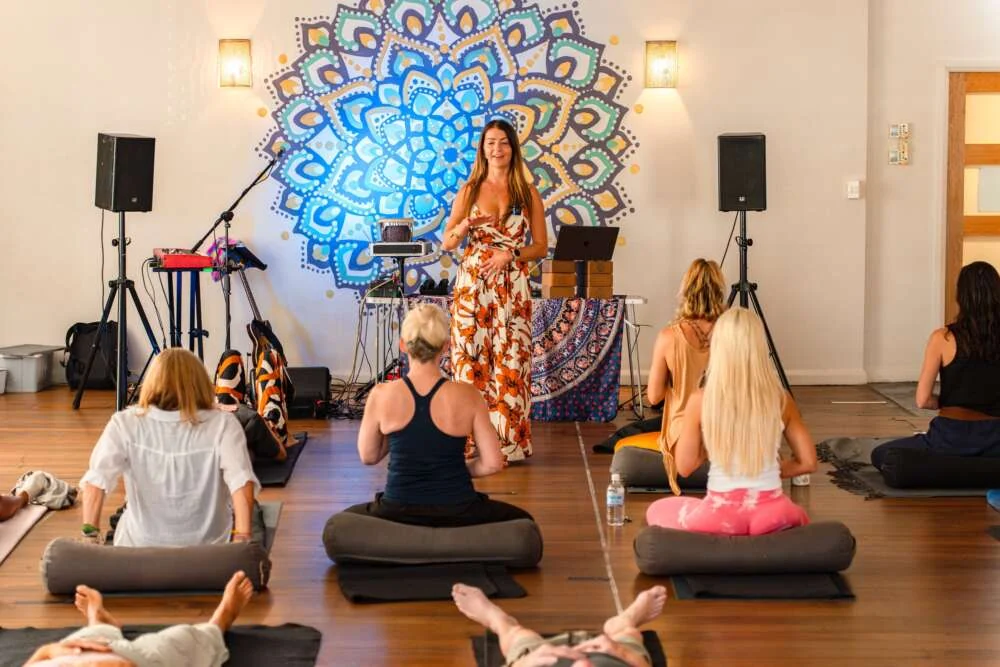
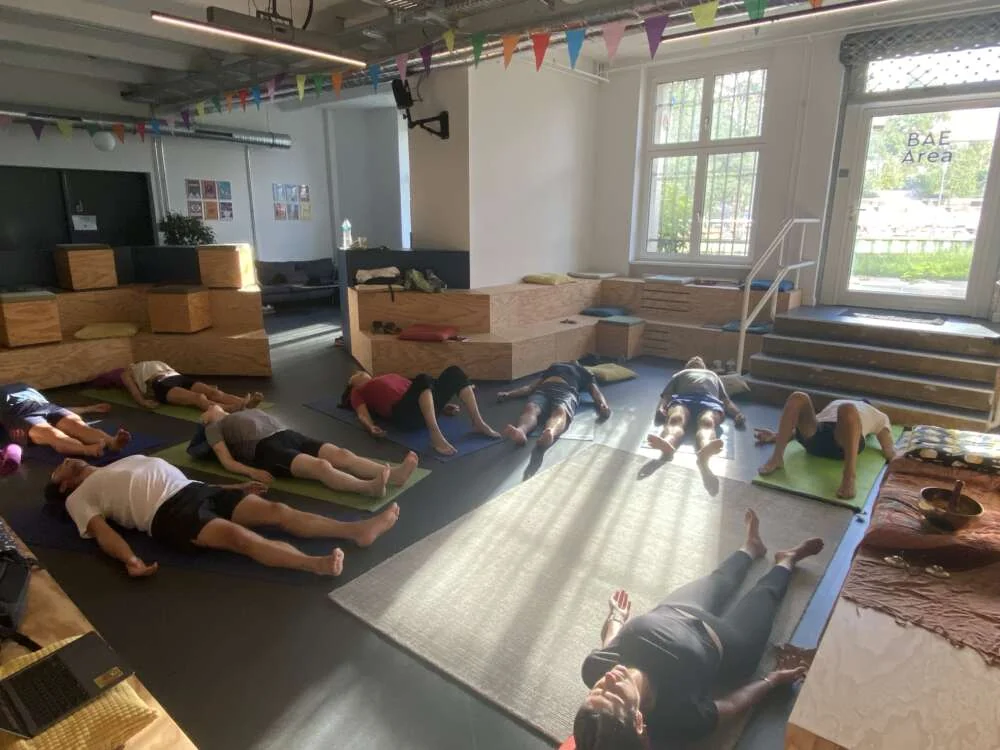
- Guided breathwork: Specific breathing protocols (physiological sigh, box breathing, 4-7-8 technique) that activate the parasympathetic nervous system and reduce cortisol response within minutes. Research published in Cell Reports Medicine (Balban et al., 2023) found that cyclic sighing, a slow exhale-extended breathwork technique, significantly reduced physiological and psychological measures of stress compared to mindfulness meditation. Works as a standalone session or as an opening module within a longer workshop.
- Mindfulness-based stress reduction (abbreviated): An adapted MBSR session introducing body-scan, mindful breathing, and present-moment awareness practices. Most effective when delivered as a series rather than a single session, but even a single 90-minute introduction produces measurable short-term stress reduction.
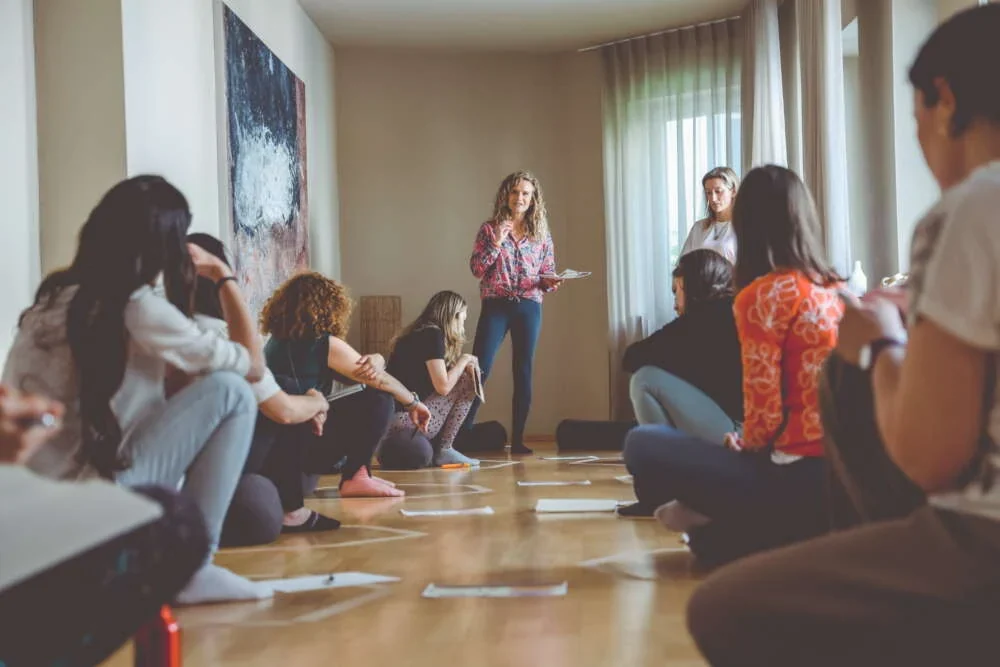
- Somatic movement session: Structured body-based movement (not fitness-oriented) designed to discharge accumulated physical stress. Particularly effective after periods of high cognitive demand, interpersonal conflict, or sustained sedentary work. Works well with any age or fitness level when framed as gentle and accessible.
- Progressive muscle relaxation: Systematic tensing and releasing of muscle groups to reduce physical stress holding. Simple, evidence-based (Jacobson, 1938), and accessible to any group. Works well as a closing session or a standalone 30-minute energiser.
Activities for Adaptability and Cognitive Flexibility
Adaptability training develops the cognitive and emotional capacity to respond constructively to change, setback, and uncertainty, the defining characteristics of a high-resilience team.
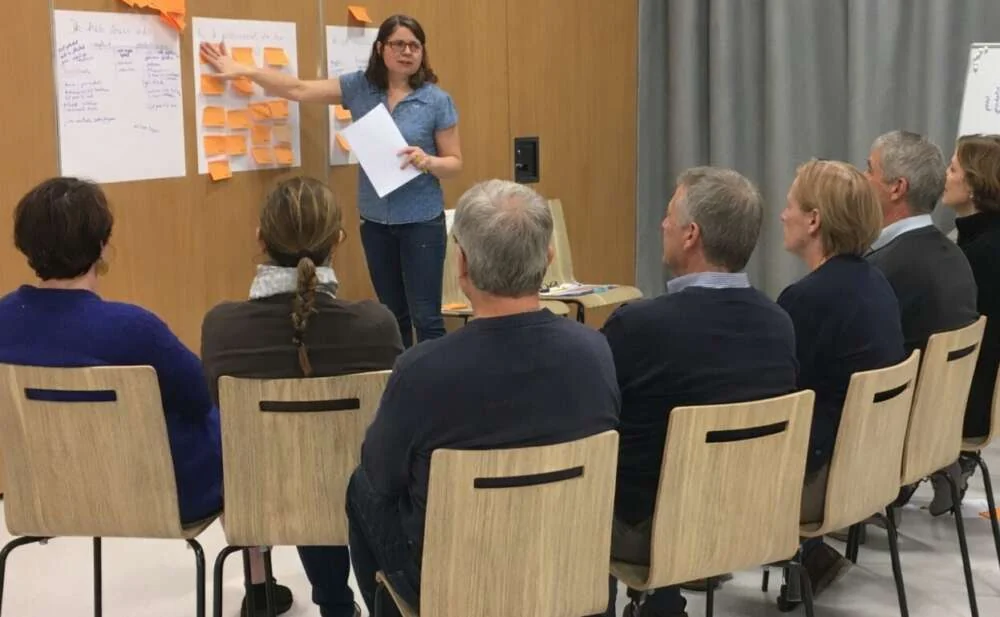
- Perspective-taking exercises: Structured activities that require participants to view a challenge from multiple angles (the cynical view, the optimistic view, the systemic view, the long-term view). Builds cognitive flexibility and reduces cognitive rigidity under pressure.
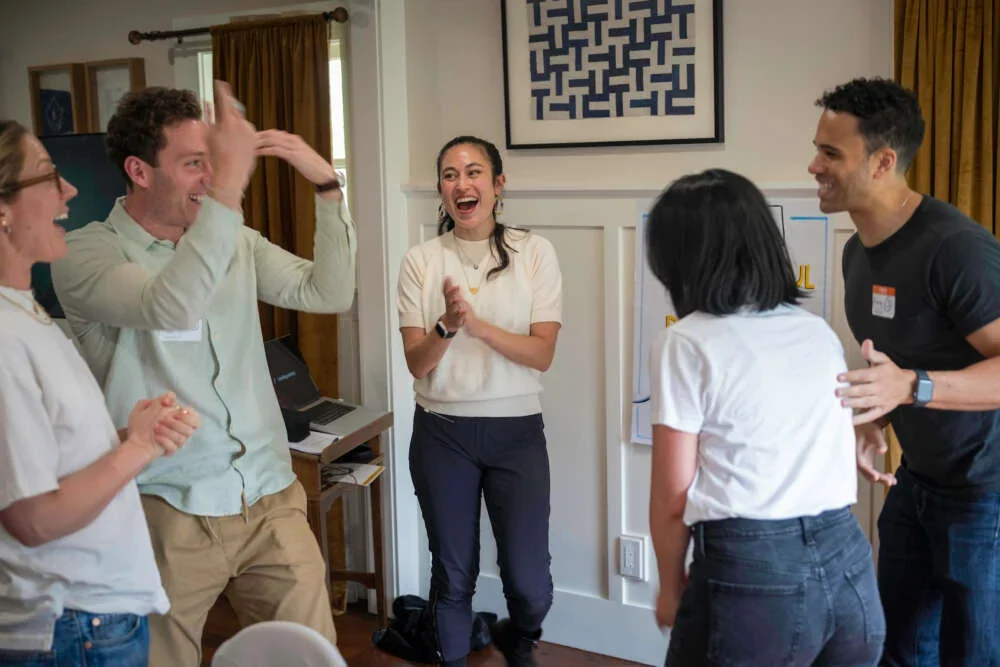
- Improv for adaptability: Improvisation exercises (yes-and, status games, environment work) develop the real-time adaptability and collaborative instincts that characterise resilient teams. Research on improvisation training consistently shows improvements in cognitive flexibility, creative problem-solving, and collaborative communication.
- Scenario planning and post-mortem exercises: Structured exploration of potential adversity scenarios (pre-mortem: imagine the project failed: what went wrong?) that builds the team’s capacity to anticipate and prepare for difficulty without catastrophising.
- Growth mindset workshop: Based on Carol Dweck’s research, this workshop develops the cognitive pattern of treating setback as information rather than verdict. Most effective when grounded in real examples from the team’s own work context rather than generic exercises.

Activities for Recovery and Restoration
Recovery activities address the depletion dimension of resilience. Sustained high performance requires equally sustained recovery. Teams that do not recover do not remain resilient. They become brittle.

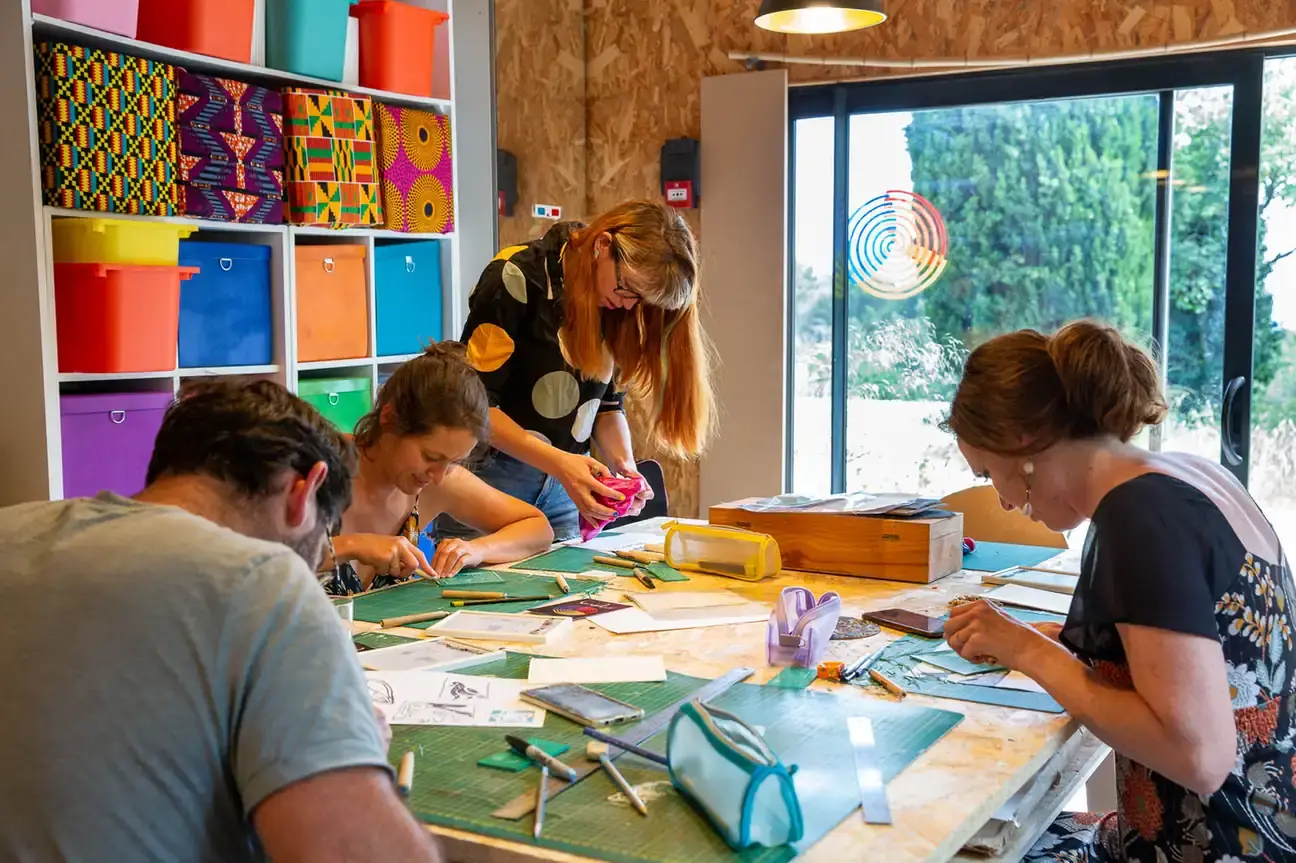
- Sound bath session: Crystal bowls or gongs produce sustained resonant frequencies that slow brainwave activity to a deep rest state. Particularly effective after high-pressure periods, at the end of intensive offsites, or as mid-day recovery blocks in multi-day retreats. Counterintuitive for corporate contexts but consistently well-received when positioned as a performance recovery tool.
- Creative recovery session: Art, fragrance co-creation, ceramics, or other making-based activities that engage a different cognitive register than analytical work. Creative rest (Saundra Dalton-Smith) is distinct from idle rest. It restores the capacity for productive thinking through active engagement in non-analytical creation.
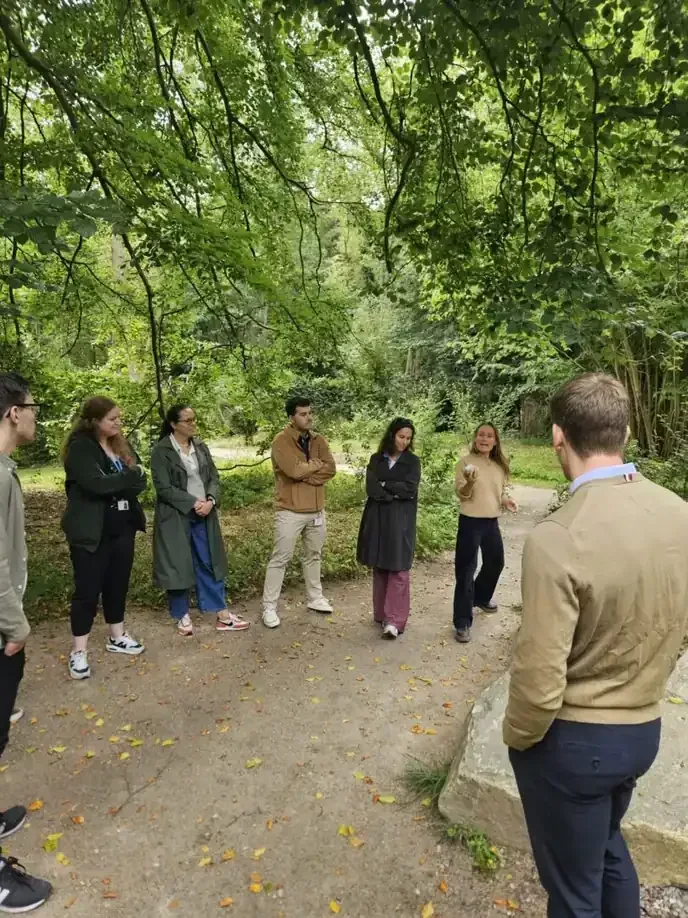
- Nature-based session: Structured outdoor time using attention restoration theory principles: open natural environments, gentle fascination, and reduced directed attention. Even 20 to 30 minutes in nature measurably reduces cortisol (Hunter et al., 2019), and nature walks restore focused attention capacity (Berman et al., 2008).
- Sleep and recovery education workshop: Evidence-based session on sleep science, circadian rhythms, and recovery protocols for high-demand knowledge workers. Particularly effective for teams with heavy travel schedules or irregular hours.
Sample 90-Minute Resilience Workshop
| Time | Activity | Purpose |
|---|---|---|
| 00:00 to 00:10 | Welcome, framing, and check-in | Set the tone; surface the group’s current stress state |
| 00:10 to 00:25 | Stress science education | Explain the physiology of stress and recovery. Legitimise the topic |
| 00:25 to 00:50 | Breathwork or mindfulness practice | Direct physiological stress regulation intervention |
| 00:50 to 01:10 | Resilience tools workshop | Introduce 2 to 3 practical cognitive flexibility or recovery tools |
| 01:10 to 01:25 | Peer dialogue: what gets in the way? | Normalise difficulty; surface systemic barriers alongside individual tools |
| 01:25 to 01:30 | Personal commitment and close | Each participant names one tool they will use in the next week |
Sample Half-Day Resilience Workshop
| Time | Session | Format | Purpose |
|---|---|---|---|
| 09:00 to 09:15 | Welcome and wellbeing check-in | Facilitated | Open the group; establish psychological safety |
| 09:15 to 10:00 | Stress and resilience science | Expert-led education | Build shared understanding of the neuroscience |
| 10:00 to 10:45 | Stress regulation practice | Breathwork or somatic session | Direct physiological intervention: participants feel the tools working |
| 10:45 to 11:00 | Break | ||
| 11:00 to 11:45 | Adaptability and cognitive flexibility | Facilitated workshop | Build perspective-taking and flexible thinking under pressure |
| 11:45 to 12:15 | Recovery tools and practices | Facilitated | Introduce recovery as a performance strategy, not a luxury |
| 12:15 to 12:30 | Peer dialogue and systemic conversation | Facilitated small groups | What does the team need from each other and the organisation? |
| 12:30 to 12:45 | Personal resilience plan and close | Individual then group | Each participant leaves with 3 named practices and one team agreement |
How to Avoid Toxic Resilience Messaging
Toxic resilience is the organisational pattern of asking employees to be more resilient in response to systemic problems that the organisation has not addressed. The message, whether explicit or implied, is: “the problem is your capacity to cope, not our responsibility to create better conditions.”
A program shifts behaviour more than a single session shifts awareness.
Signs that a resilience workshop risks toxic framing:
- It was commissioned directly after a difficult restructure, redundancy round, or leadership failure, with no structural change alongside it
- The facilitator brief focuses entirely on individual tools without any systemic conversation
- HR leadership describes the goal as “helping employees cope better with our demanding culture”
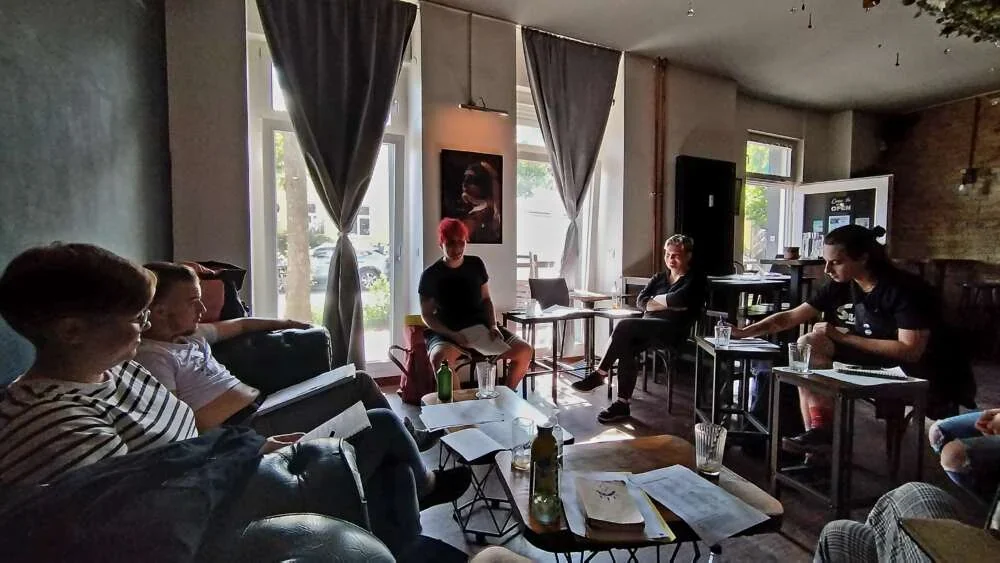
- Managers are not included: only frontline employees
How to avoid it:
- Include a facilitated section on systemic conditions alongside individual tools: name workload, leadership behaviour, and organisational support as resilience factors
- Frame the workshop as the beginning of an ongoing conversation, not a one-off treatment
- Ensure managers receive their own resilience support, not just their teams
- Commission the workshop as part of a broader wellbeing strategy that includes structural interventions
Resilience work lands best where people feel safe to name pressure, and psychological safety workshops build that ground first.
How to Measure Resilience Workshop Impact
| Indicator | Measurement method | When |
|---|---|---|
| Perceived stress | Cohen Perceived Stress Scale (PSS-4 or PSS-10) | Before and 30 days after |
| Tool adoption | Self-report: which tools are you using? | 30 days after |
| Team social support | Pulse survey: do you feel supported by your team when under pressure? | Before and 30 days after |
| Recovery behaviour | Self-report on sleep, exercise, disconnection patterns | Before and 30 days after |
| Absenteeism and sick days | HR records (3 months pre/post) | Quarterly comparison |
| Manager observation | Structured check-in on team performance under pressure | 30 and 90 days after |
What the Best Resilience Workshops Get Right
- Ongoing delivery. A program shifts behaviour more than a single session shifts awareness. At least one follow-up session and a simple between-session practice structure turn the workshop's skills into habits.
- Addressing systemic factors alongside individual tools. The strongest workshops name workload, leadership behaviour, and team culture as resilience factors, giving the full picture.
- Grounding content in the team’s real context. Facilitated workshops that explicitly reference the team’s actual challenges and work environment outperform generic resilience training.
Teams that do not recover do not remain resilient. They become brittle.
- Framing breathwork and mindfulness with grounding. For highly analytical or sceptical teams, practices like breathwork land well with explicit physiological framing. “This technique activates the vagus nerve and slows cortisol production” lands better than “let’s breathe together.”
- Including managers. Managers are simultaneously among the most stressed employees and the primary determinants of their team’s resilience. A resilience program that includes people managers alongside frontline employees is complete.
- Building in structural follow-through. The workshop opens an organisational conversation. Commissioning a follow-up conversation between HR and leadership on what systemic changes are needed carries the workshop’s outcomes forward.
Frequently Asked Questions
What should a resilience workshop for employees include?
An effective resilience workshop for employees should include stress regulation practices (breathwork, mindfulness, or somatic techniques), cognitive flexibility training, recovery tools, and a facilitated conversation that acknowledges both individual capacity and systemic conditions. It should not focus exclusively on individual mindset without acknowledging the organisational factors that shape resilience.
What are good resilience training activities for employees?
The most effective activities combine immediate physiological impact (breathwork, movement) with cognitive skill-building (perspective-taking, scenario work) and recovery practices (creative sessions, sound baths, nature-based activities). The best workshops use at least two of these three modalities in a single session.
How long should a resilience workshop be?
A 90-minute session is the minimum for meaningful resilience work: enough time for education, a core practice, and a facilitated debrief. Half-day workshops (3 to 4 hours) allow for multiple modalities and more depth. A resilience program of three to six sessions over six to twelve weeks produces the most sustained behaviour change.
How can companies support employee resilience?
Companies can support resilience through facilitated workshops, manager training, peer support structures, flexible recovery policies, and structural workload management. Workshops are more effective when supported by organisational conditions that make resilience possible: reasonable workloads, psychological safety, and accessible recovery time.
What is the difference between a resilience workshop and a stress management workshop?
Stress management workshops tend to focus on tools for handling existing stress (regulation and coping). Resilience workshops address a broader range: building the capacity to recover from stress, adapt to adversity, and maintain functioning under sustained pressure. The best resilience workshops include stress management tools within a broader framework of adaptability and recovery.
How do you avoid toxic resilience messaging in a workshop?
Include a systemic conversation alongside individual tools: acknowledge workload, leadership, and organisational support as resilience factors. Frame the workshop as the start of an ongoing conversation rather than a treatment for individual weakness. Ensure managers are included in the program, not just frontline employees.
Can resilience workshops prevent burnout?
Resilience workshops can reduce the risk of burnout by building stress regulation capacity and social support, but they cannot prevent burnout caused by structural overload, poor leadership, or inadequate recovery time. Burnout prevention requires both individual resilience tools and systemic change. Workshops are one part of a broader prevention strategy, not a standalone solution.
What resilience workshops work for hybrid teams?
Hybrid resilience workshops require explicit participation design. The most effective formats run either fully online with equal participation design, or use parallel kits (material guides, journaling prompts) for both in-person and remote participants. Breathwork and mindfulness sessions work well in both formats when facilitated with explicit hybrid-awareness.
How Culture Vitale Approaches Resilience Workshops
Culture Vitale designs bespoke resilience workshops for employees and leadership teams as part of broader corporate wellbeing workshops and employee wellbeing programs.

Each resilience session is built around the specific challenges of the team, not a generic resilience curriculum, and delivered by facilitators with expertise in breathwork, somatic practice, mindfulness, cognitive flexibility, and the neuroscience of stress and recovery. Culture Vitale’s resilience workshops explicitly address both individual tools and team and organisational conditions, avoiding the toxic resilience trap that makes so many corporate wellbeing programmes counterproductive. Explore the full range of corporate resilience workshops for employees and managers.
Sessions can be delivered as standalone 90-minute workshops, half-day programs, or as resilience modules within a leadership offsite or corporate retreat. Explore all corporate workshops or see how we work with companies.
Sources and further reading
- World Health Organization, Mental health at work
- Gallup, State of the Global Workplace
- Deloitte, Creating an adaptable workforce (Human Capital Trends 2026)
- Gallup, State of the Global Workplace: engagement and stress data
- Balban et al. (2023), Cell Reports Medicine, Brief structured respiration practices enhance mood and reduce physiological arousal
- Jacobson (1938), Progressive Relaxation
- Carol Dweck, Mindset
- Saundra Dalton-Smith, The seven types of rest
- Berman, Jonides and Kaplan (2008), Psychological Science, The cognitive benefits of interacting with nature
- Hunter, Gillespie and Chen (2019), Frontiers in Psychology, Urban nature experiences reduce stress
- Cohen, Kamarck and Mermelstein (1983), A global measure of perceived stress
Bring resilience training to your team
Share the team, what they are carrying and the timing. We reply with formats and facilitators, in person, online or hybrid, with a way to measure the change.
Tailored options, quickly.