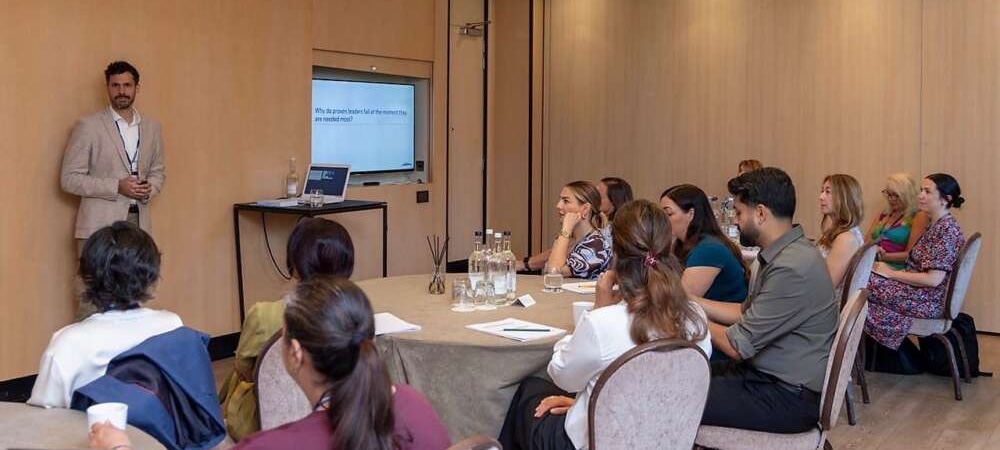
Running a leadership offsite well starts with a clear agenda template matched to the offsite’s actual purpose, whether that is annual planning, a leadership reset, or a focused decision on one hard question. The strongest agendas front-load the hardest thinking, protect genuinely unstructured time, and close with named ownership rather than a vague list of takeaways. Teams booking leadership offsite facilitation generally start from one of a small number of proven templates and adapt it to their context.
Leadership offsite agenda templates compared
| Template | Duration | Best for | Core focus |
|---|---|---|---|
| Single strategic-decision day | One day | One urgent, well-defined decision | Depth over breadth |
| Annual or quarterly planning offsite | Two days | Setting direction for the period ahead | Strategy plus alignment |
| New-leadership-team retreat | Two to three days | Teams recently formed or restructured | Trust-building plus strategic work |
| Reset-and-plan hybrid | Two days | Teams carrying fatigue into planning | Recovery first, strategy second |
| Half-day working session | Half day | Narrow, time-sensitive decisions | Single decision or problem |
Start with purpose, not format
The most common planning mistake is choosing a familiar agenda shape before deciding what the offsite actually needs to achieve. A leadership team resolving one contested strategic question needs a different structure than a team setting a full year’s direction, and both differ again from a team primarily in need of a genuine reset after a hard stretch. Naming the single most important outcome before drafting a single agenda item keeps the day, or days, honest to its real purpose rather than drifting into a general-purpose meeting with better catering.
A day-by-day template for a two-day offsite
A reliable two-day structure front-loads the hardest cognitive work into day one’s morning, when energy and patience are highest, followed by an afternoon of smaller working groups translating discussion into concrete options. The first evening stays intentionally light, often a shared meal or informal activity that lets relationships do quiet work the agenda cannot. Day two morning returns to decisions, closing loops opened the day before, and the afternoon shifts entirely to ownership: who does what, by when, and how progress will be reviewed. This structure adapts easily whether the offsite runs in a city venue, a countryside retreat, or somewhere like the Zurich leadership offsite setting many European teams choose for its mix of accessibility and genuine change of scene.
Protecting real thinking time
Leadership teams think better with breaks that are genuinely unstructured, not simply shorter meetings placed back to back. Building in walking time, a longer lunch, or a facilitated pause between major topics gives the group’s thinking room to settle before the next decision. A well-chosen corporate retreat activity placed deliberately between two intense sessions can reset a room’s energy more effectively than another slide deck ever will.
Facilitation versus running it yourself
Many leadership teams default to running their own offsite agenda, with the CEO or a senior leader both presenting and facilitating. This works for narrow, low-stakes agendas but struggles once the topic is genuinely contested, because a leader presenting a position cannot simultaneously manage the room impartially. An external facilitator keeps time, reads energy, and lets every leader in the room, including the most senior one, participate honestly in the discussion rather than steering it from the front.
Closing with ownership, not just takeaways
An offsite that ends with a list of interesting ideas but no named owners rarely changes anything once everyone returns to their desk. The final block of any offsite agenda should convert discussion into specific commitments: who owns each action, by what date, and how the group will check progress. Anchoring this closing structure into team cohesion workshops or a dedicated follow-up session helps the offsite’s momentum survive contact with normal operating pressure.
Adapting the template to a specific market
These templates travel well across markets, but local context still shapes the details. Leadership teams planning specifically in Switzerland can go deeper into venue and day-by-day structure in our leadership offsite agenda guide for Switzerland, while teams convening genuinely international, multilingual leadership groups may find more relevant detail in our guide to executive offsites in Geneva.
Culture Vitale curates facilitators for offsites built on this template in many cities, including leadership offsites in London and leadership offsites in Zurich.
Checklist for running a leadership offsite
- Name the single most important outcome before drafting the agenda.
- Schedule the hardest topic for the morning of day one.
- Build in at least one genuinely unstructured block per day.
- Assign a facilitator separate from the most senior leader in the room.
- Close with named owners and dates for every agreed action.
- Match venue and pacing to the offsite’s actual purpose, not habit.
What the best leadership offsites get right
- Decide what the offsite needs to achieve before choosing an agenda template.
- Schedule the most contested topic early, when energy and patience are highest.
- Bring in a separate facilitator, so the most senior leader can fully participate in the debate.
- Close with clear ownership, so decisions carry through once everyone returns to normal work.
What is the best agenda structure for a leadership offsite?
The best structure depends on purpose: a single contested decision suits a focused half or full day, while annual planning or a newly formed leadership team typically benefits from two to three days combining strategic work with genuine relationship-building. In every case, the hardest topic belongs early and the close should convert discussion into named ownership.
How long should a leadership offsite run?
Most leadership offsites run between one and three days, set by the scope of what needs to be decided rather than convention. Longer offsites suit annual planning, major transitions, or newly combined leadership teams needing time to build trust alongside strategic content.
Who should facilitate a leadership offsite?
An external facilitator, separate from the most senior leader in the room, generally produces a more honest discussion, particularly on contested topics. This lets every leader, including the one who would otherwise be running the meeting, participate fully rather than managing the room while also trying to contribute their own view.
Plan a session
Tell us your leadership team’s size, timing and objectives, and Culture Vitale will build a tailored offsite agenda: plan a leadership offsite.
When the offsite takes the leadership team to another country, planning an event abroad sets out how one partner runs the sessions wherever you gather.
References
- Harvard Business Review, how to run an effective offsite: hbr.org
- Google re:Work, guidance on effective team practices: rework.withgoogle.com