Corporate Wellbeing Workshops: 15 Ideas for Employees
Fifteen corporate wellness workshop ideas matched to a clear goal, from stress and energy to burnout and managers, with sample agendas and ways to measure results.
Offer portfolio
View our top experts & sessions in your city or location
Thousands of experiences and experts across fifty-plus locations
Our Partners Led








“…beautifully orchestrated. It was pure magic.”
Ex-Director, Burberry
The most effective workplace wellbeing workshops for employees are designed around a specific goal (stress regulation, energy management, burnout prevention or focus) rather than offered as a generic wellness perk. Research consistently shows that structured, facilitated wellbeing interventions reduce reported stress, improve engagement, and support retention when they are repeated over time and tied to a broader people strategy. This guide covers 15 corporate wellbeing workshop ideas organised by objective, with sample agendas and measurement guidance for HR, L&D and People teams. Each one can run as a corporate wellbeing workshop in person, online or hybrid, from a 45-minute reset to a monthly programme.
For teams in the UK, every idea here is available as corporate wellbeing sessions in London, at your office or a venue across the capital.
Quick Reference: 15 Corporate Wellbeing Workshop Ideas
| Workshop Idea | Goal | Duration | Best For | Format |
|---|---|---|---|---|
| Breathwork for stress regulation | Stress reduction | 45 to 90 min | All teams; high-pressure environments | In-person or hybrid |
| Mindfulness fundamentals | Stress reduction, focus | 60 to 90 min | All employees | In-person, hybrid, or online |
| Sound bath and nervous system reset | Stress regulation, restoration | 60 min | High-intensity teams; post-peak periods | In-person |
| Resilience and stress response workshop | Stress regulation, resilience | 2 to 3 hours | Teams under sustained pressure | In-person or hybrid |
| Energy management workshop | Energy and focus | 2 to 3 hours | All employees; managers | In-person or hybrid |
| Movement and physical vitality session | Energy, mood, focus | 45 to 60 min | Sedentary or desk-based teams | In-person |
| Sleep and recovery workshop | Energy, recovery | 60 to 90 min | All employees | In-person or online |
| Nutrition and cognitive performance | Focus, energy | 60 to 90 min | All employees | In-person or online |
| Burnout prevention workshop | Burnout prevention | 2 to 3 hours | Teams showing early warning signs | In-person or hybrid |
| Psychological safety and wellbeing | Burnout prevention, culture | 2 to 3 hours | Teams; leadership teams | In-person or hybrid |
| Boundaries and workload management | Burnout prevention | 90 min | All employees; especially IC contributors | In-person or online |
| Wellbeing for managers | Burnout prevention, leadership | Half-day | Managers and team leads | In-person |
| Leading with empathy workshop | Manager effectiveness, wellbeing culture | 2 to 3 hours | People managers | In-person or hybrid |
| Collaborative creativity and connection | Connection, energy, hybrid inclusion | 2 to 3 hours | Hybrid and distributed teams | In-person or hybrid |
| Storytelling and meaning at work | Connection, purpose, hybrid engagement | 2 hours | Hybrid teams; culture-building moments | In-person or hybrid |
What Makes a Wellbeing Workshop Effective?
The difference between a wellbeing workshop that creates measurable change and one that functions as a forgettable perk is design. The World Health Organization estimates that depression and anxiety cost the global economy a trillion US dollars in lost productivity annually, yet most corporate wellbeing investment is concentrated in one-off activities that do not connect to a broader strategy. A single sound bath on a wellbeing day is not nothing, but it is not a wellbeing program.
An effective wellbeing workshop has four characteristics. First, it is designed around a specific and named goal: not “wellbeing” in general, but stress regulation, or burnout prevention, or energy management for a high-pressure period. Second, it is facilitated by someone with genuine expertise in that domain (a breathwork practitioner, an organisational psychologist, or a qualified coach), not a generalist trainer reading from a slide deck. Third, it is part of a sequence: research on behaviour change consistently shows that single-session interventions produce minimal lasting change; workshops that are part of a multi-session program or followed by reinforcement activities produce significantly better outcomes. Fourth, it is measured: at minimum with a pre/post survey, and ideally with longer-horizon indicators such as absence rates, engagement scores, or manager observation.
A workshop earns its place when it is built around one named goal.
The Gallup 2026 State of the Global Workplace found that 40% of employees report significant daily stress (up from pre-pandemic baselines) and only 20% are engaged at work. These two data points are not unrelated. Teams with low wellbeing have significantly lower engagement, and the reverse is also true. Wellbeing workshops are most powerful when they are understood by the organisation as an investment in performance, not a box to tick on a people strategy.
Best Wellbeing Workshops for Stress Regulation
Stress regulation workshops address one of the most consistent and widespread employee needs. They work best when they provide employees with practical tools they can use between sessions, not just a pleasant experience in the room.
1. Breathwork for Stress Regulation
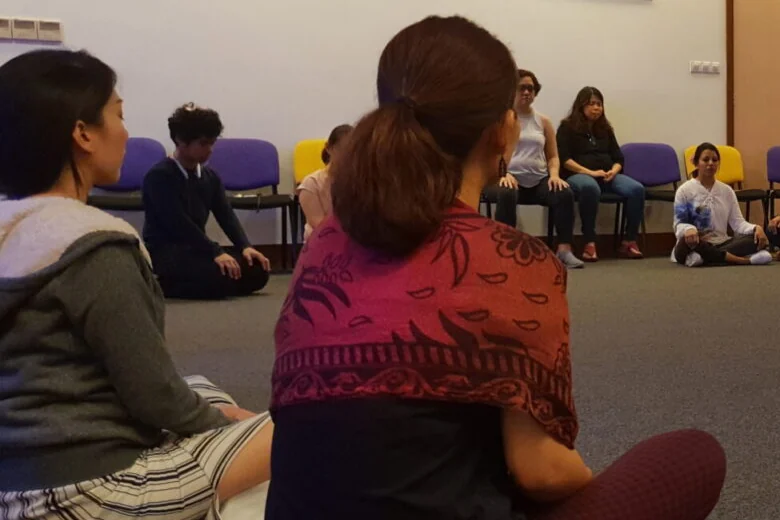
Breathwork uses structured breathing techniques to activate the parasympathetic nervous system, reducing cortisol and improving heart rate variability. A 45 to 90 minute session can meaningfully shift the physiological stress state of participants. Best delivered in person with a qualified practitioner, as in our corporate breathwork sessions. Effective for high-pressure environments, post-deadline recovery periods, or as a regular monthly reset. Watch-out: some participants find breathwork uncomfortable or emotionally activating. The facilitator must be equipped to hold that safely.
2. Mindfulness Fundamentals Workshop
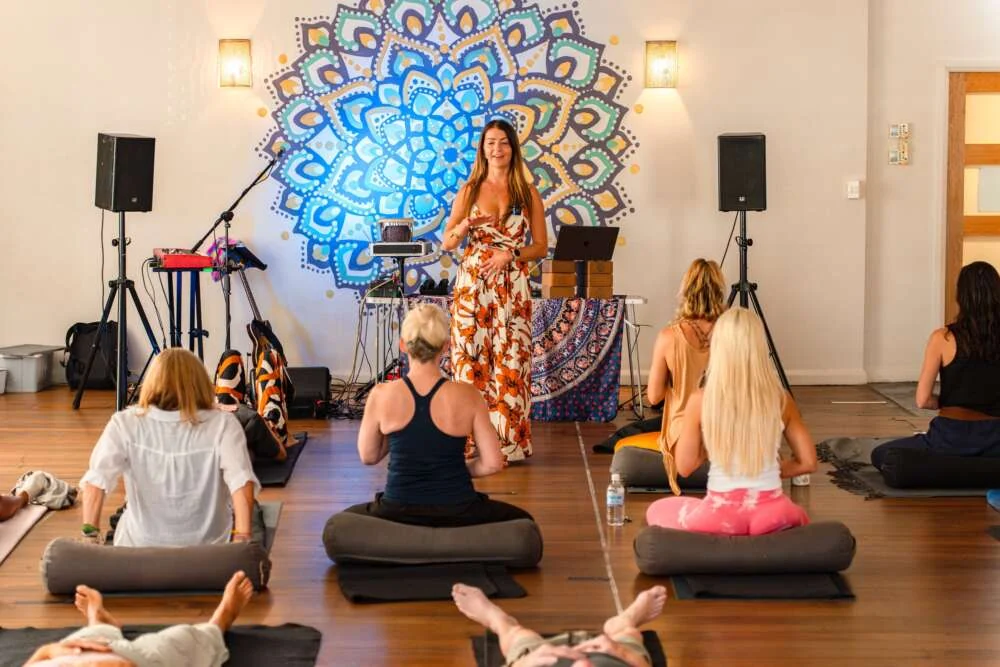
A structured introduction to mindfulness practice: not generic meditation content, but practical, evidence-based techniques for attention regulation and emotional awareness. A 60 to 90 minute session can be delivered in person, hybrid, or online. Most effective when repeated over a 4 to 6 week program: research from Oxford’s Mindfulness Centre centres on eight-session programs built to produce lasting change in self-reported stress, while single sessions offer a shorter-lived introduction. Best for all employee groups, including those who are initially sceptical.
3. Sound Bath and Nervous System Reset
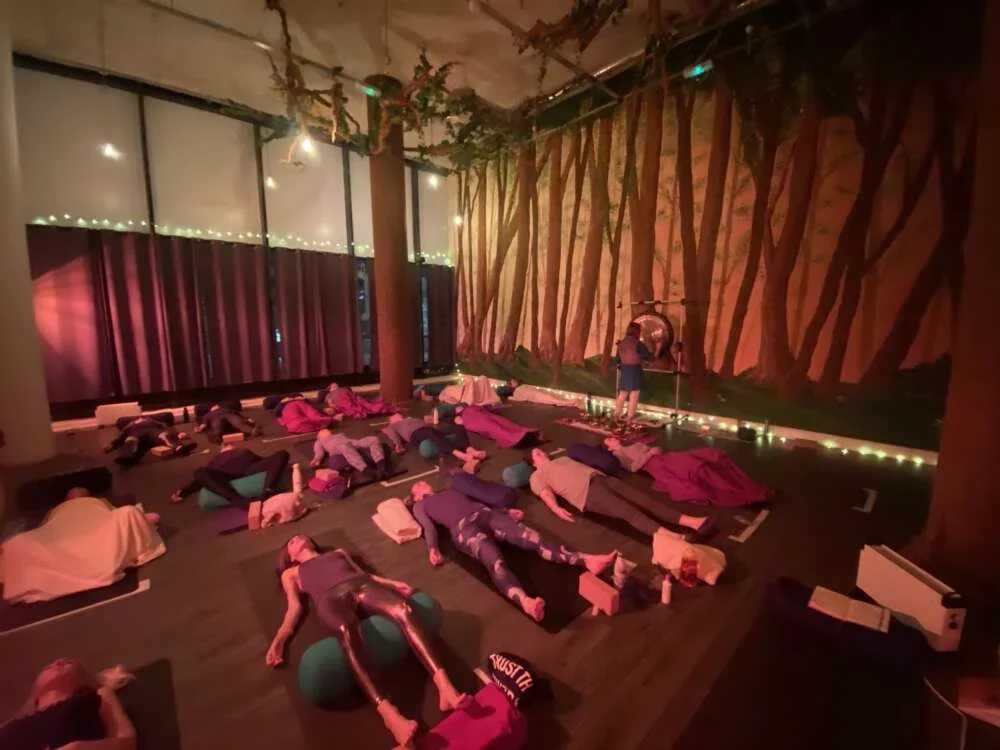
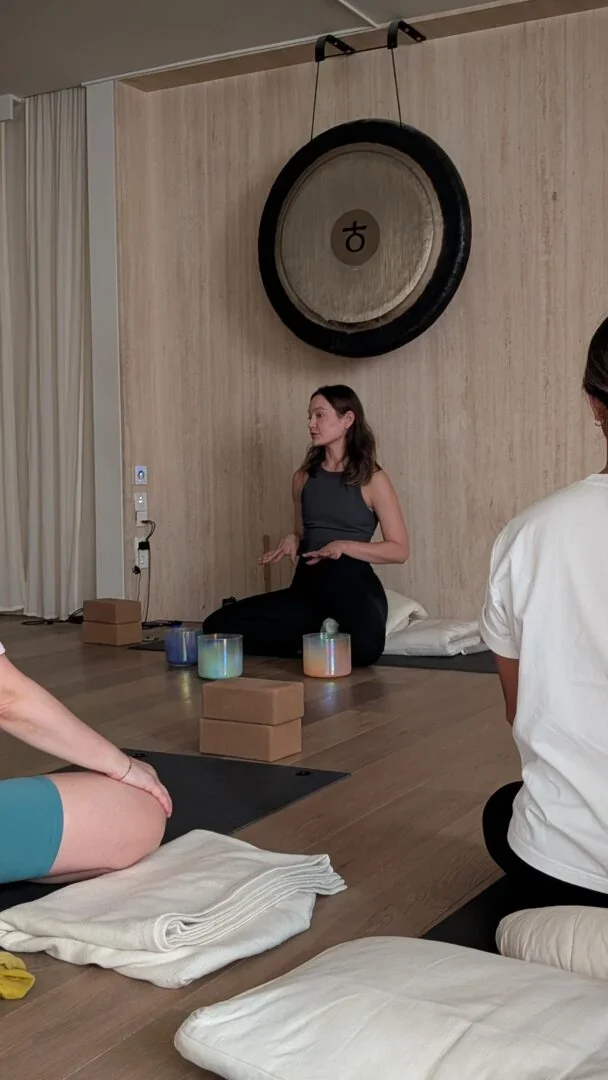
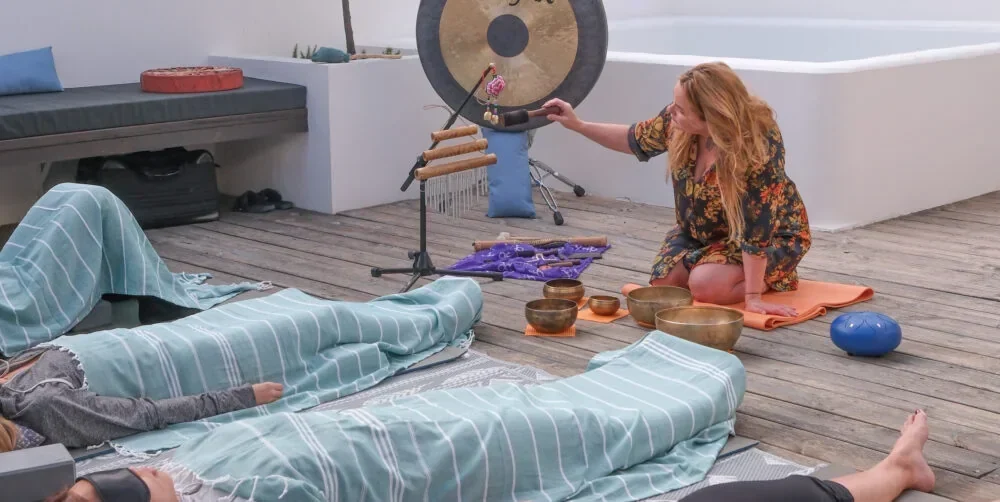
Sound bath sessions use resonant instruments (typically singing bowls, gongs, and other percussion) to induce a deeply relaxed physiological state. The experience is immersive, requires no prior knowledge or skill from participants, and produces consistently high satisfaction ratings. Most effective as a recovery or restoration session: at the end of an intense quarter, after a significant change, or during a wellbeing day. In-person only. Duration: 45 to 60 minutes. Best preceded by a brief context-setting explanation so participants know what to expect.
4. Resilience and Stress Response Workshop
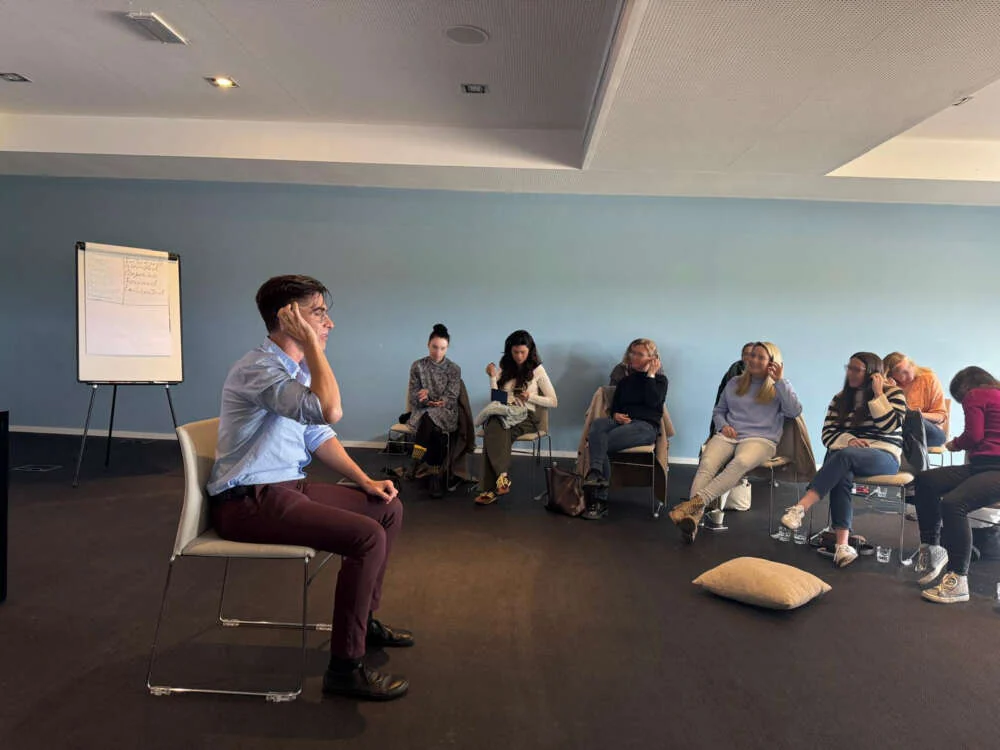
A more cognitively oriented session that combines neuroscience of stress (what happens in the body and brain under pressure), personal stress profiling (how does this individual experience stress), and practical resilience tools (micro-recovery practices, cognitive reframing, support-seeking behaviours). Duration: 2 to 3 hours. Best delivered in-person or hybrid for teams under sustained or anticipated pressure. Facilitators should have a background in psychology or coaching rather than general wellness training.
Sessions to book
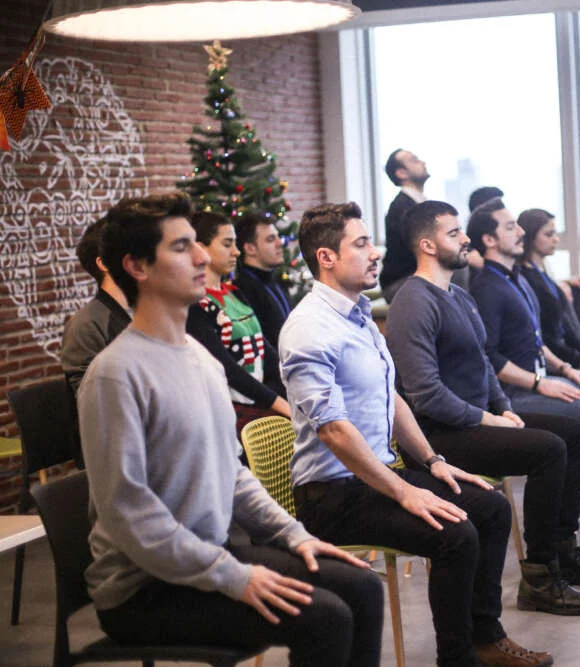
The stress response, mastered at the desk
Guided breathing and attention drills colleagues practise on their office chairs, then repeat on their own between calls.
With Deniz
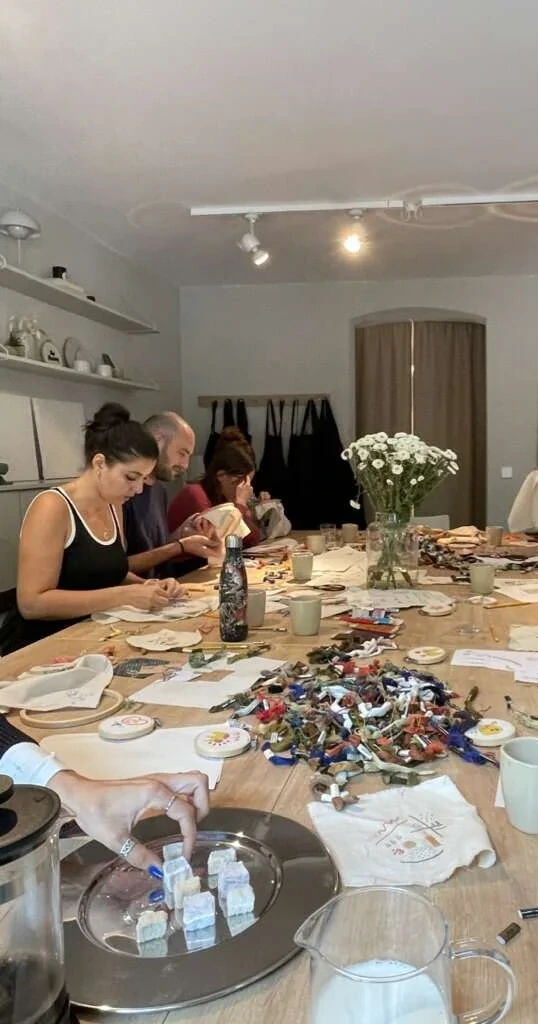
Hand embroidery as a focused pause
Needle, thread and a quiet table: a slow, absorbing craft that steadies attention and opens easy conversation.
With Stefanija
Yin yoga and a sound bath
A long, slow reset of yin yoga that ends under gongs and crystal bowls, for a team at the end of a demanding stretch.
With Magda
Stress management and high performance
Practical tools for pressure, for a team or a room of a hundred.
With Francisco
Best Wellbeing Workshops for Energy and Focus
Energy and focus workshops address the productivity dimension of wellbeing: the gap between being at work and being cognitively effective at work. These sessions are often easier to position with leadership because the ROI framing is clear: an employee who manages their energy well is more productive, not just healthier.
5. Energy Management Workshop
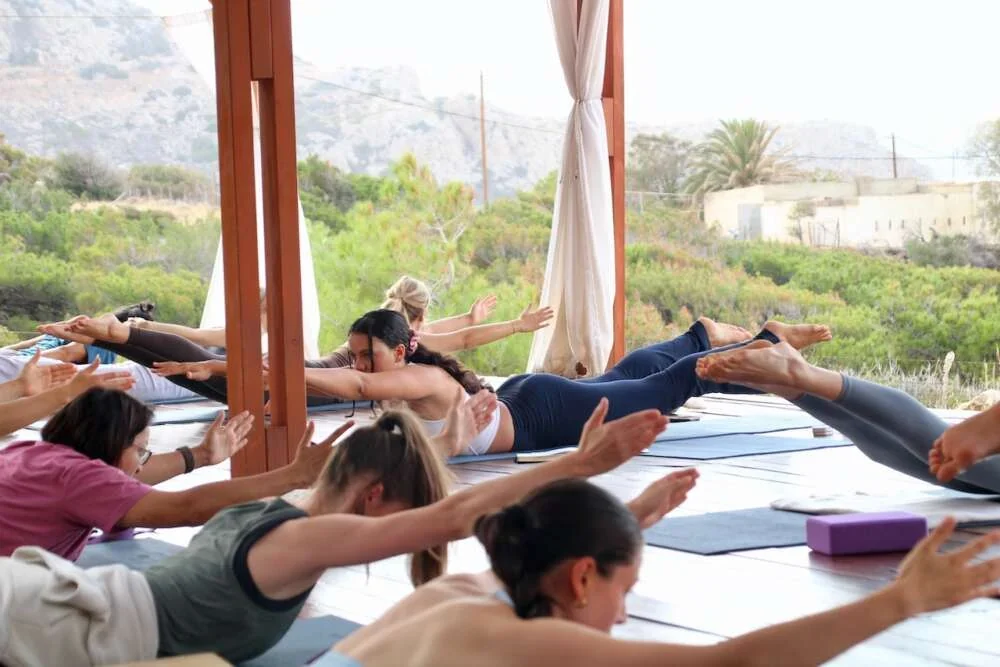
Based on the elite performance research synthesised in Jim Loehr and Tony Schwartz’s The Power of Full Engagement, energy management workshops teach employees to manage their physical, emotional, mental, and purpose energy rather than their time alone. A 2 to 3 hour session typically includes self-assessment, identification of energy drains and sources, and a personal energy management plan. Best for all employee groups, particularly effective with managers who then model better energy habits for their teams.
6. Movement and Physical Vitality Session
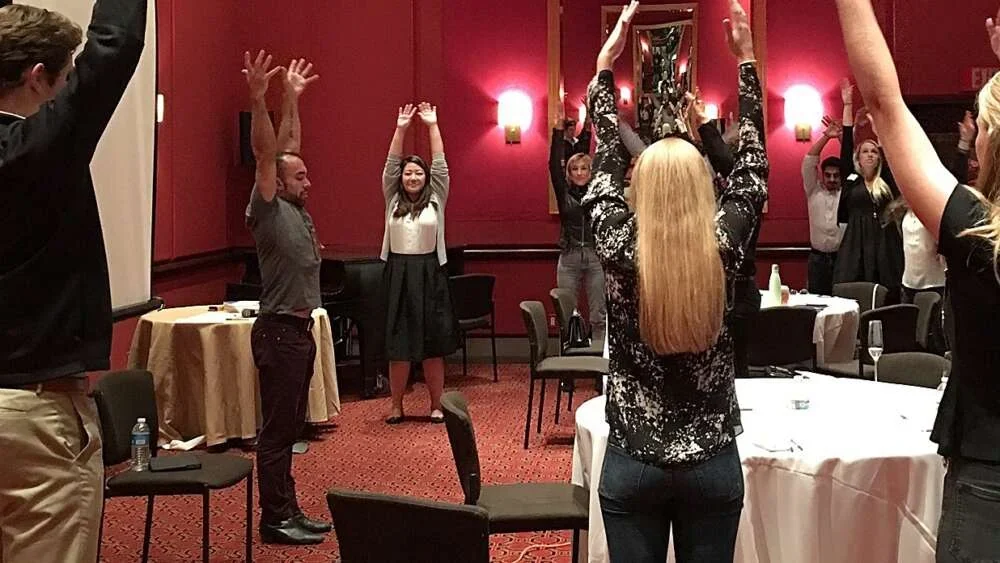
For sedentary or desk-based teams, a facilitated movement session (yoga, dynamic stretching, or a structured physical energiser) addresses one of the most underrecognised drivers of cognitive performance. Even a 45-minute session at midday has measurable effects on afternoon focus and mood. Delivers best as a regular offering (weekly or fortnightly) rather than a one-off. In-person only. Works well as part of a wellbeing day, a team away day, or a regular lunchtime program.
7. Sleep and Recovery Workshop
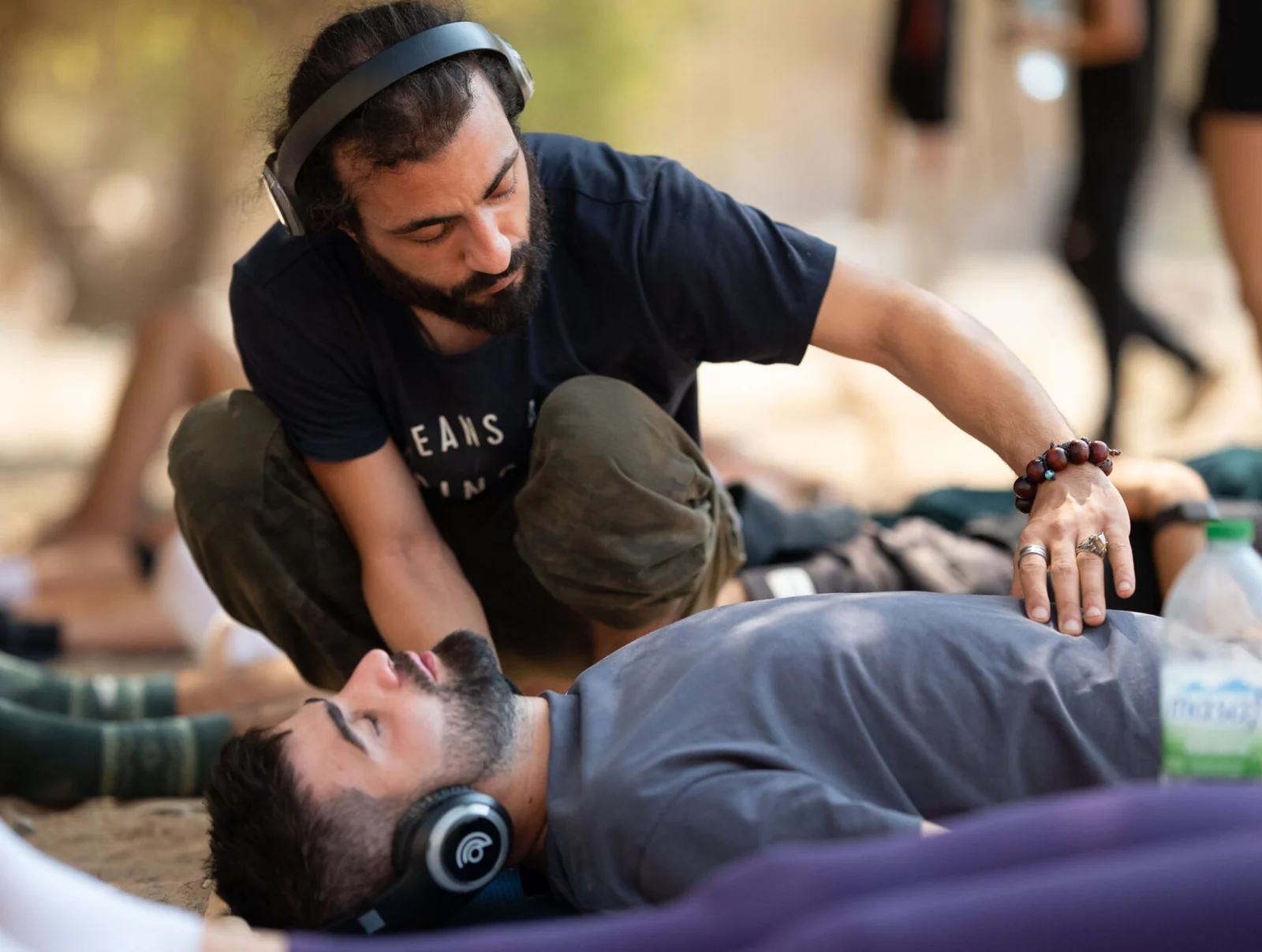
Sleep is the single highest-leverage recovery lever available to employees, yet it is rarely addressed in corporate wellbeing programs. A 60 to 90 minute session covering the neuroscience of sleep, the business cost of sleep deprivation, and practical sleep hygiene practices can produce rapid behavioural change. Can be delivered in-person or online. Best positioned as a science-based session rather than a wellness talk: the data on sleep deprivation’s effect on decision-making, creativity, and emotional regulation is compelling at every level.
8. Nutrition and Cognitive Performance

A session on the relationship between nutrition, gut health, and cognitive performance: not a generic healthy eating talk, but a practical session on how food choices at specific times of day affect concentration, decision-making, and mood. Duration: 60 to 90 minutes. Best delivered by a registered nutritionist or functional medicine practitioner rather than a general wellness trainer. Works well as part of a wellbeing day or as a standalone lunchtime session. In person, it can also run as a culinary wellbeing workshop, where the team prepares and shares a meal built on the same principles.
Best Wellbeing Workshops for Burnout Prevention
Burnout prevention workshops are most valuable when delivered early, when teams are showing warning signs rather than after burnout has set in. The most effective interventions combine individual-level tools with team-level conversations about workload, boundaries, and support.
9. Burnout Prevention Workshop
A structured session covering the three dimensions of burnout (exhaustion, cynicism and reduced efficacy, as described in Maslach and Leiter’s research), the early warning signs that individuals and managers should recognise, and both individual and systemic interventions. Duration: 2 to 3 hours. Best in-person for teams showing early warning signs: elevated absence, declining quality of work, increased interpersonal conflict. Facilitator must be able to hold both the scientific and the human dimensions of this topic. Formats for this brief sit with our resilience and burnout prevention workshops.
10. Psychological Safety and Wellbeing
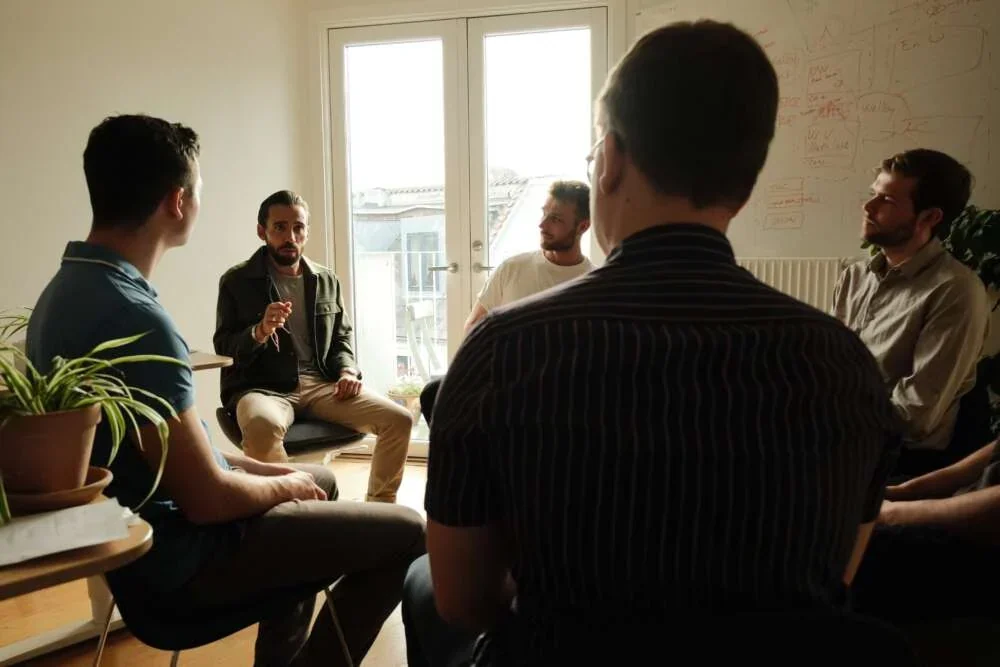
Google’s Project Aristotle research identified psychological safety as the single strongest predictor of team effectiveness. Teams where people feel safe to speak up, admit mistakes, and ask for help are significantly less likely to experience burnout, because problems surface and get resolved rather than accumulating silently. A 2 to 3 hour workshop on psychological safety within a team context (what it is, what undermines it, and how to build it) is one of the highest-impact wellbeing interventions available, because it addresses systemic rather than individual causes of distress.
11. Boundaries and Workload Management
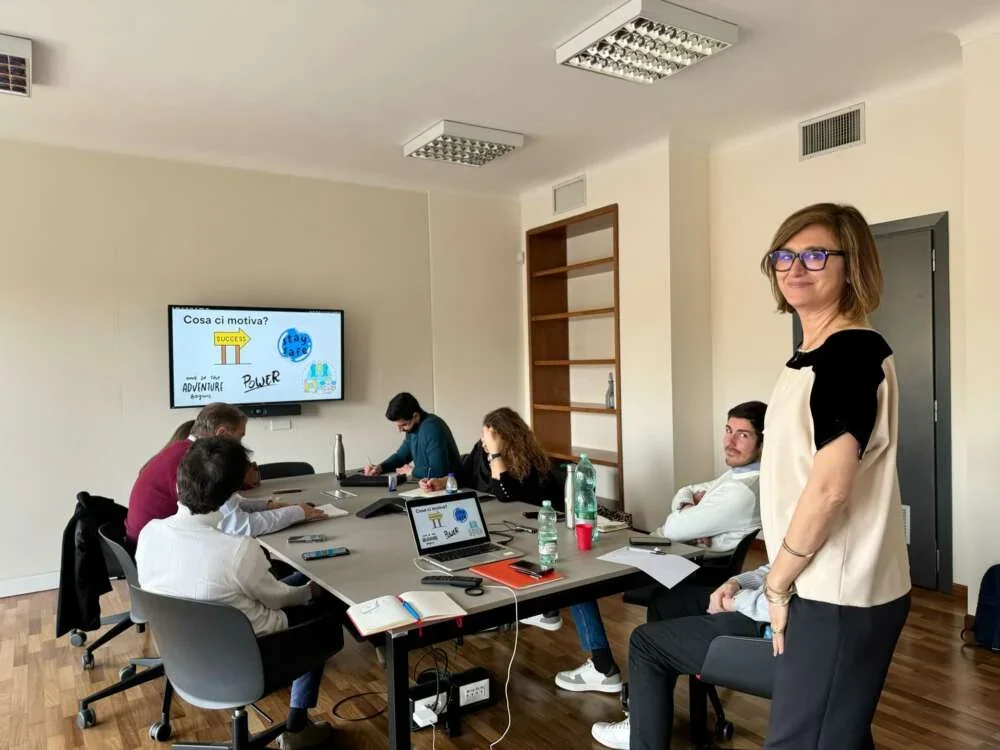
A 90-minute session on how to identify, communicate, and maintain healthy work boundaries, including the organisational conditions that make this harder or easier, and how to have the conversations about workload that most employees avoid. Particularly effective for individual contributors and high-performers who are at elevated burnout risk. Can be delivered online or in-person. Best preceded by a short anonymous workload survey so the facilitator has real data to work with rather than generic examples.
Sessions to book
Nutrition for energy and focus
What to eat and when, so energy and concentration hold up through a long, demanding week.
With Samantha
Building trust and team culture
Dialogue, play and short mindful pauses that help a team speak openly and trust one another more.
With Franziska
A resilience lab for leaders
A practical lab where managers build the habits that keep them steady and present through change.
With Laszlo
Story exchange
Leaders share the stories behind their choices and learn to listen for what the others bring.
With Greg
Best Wellbeing Workshops for Managers
Manager wellbeing is both a personal and an organisational issue. Managers who are burned out or poorly supported pass that energy, and those habits, to their teams. Investing in manager wellbeing has multiplier effects.
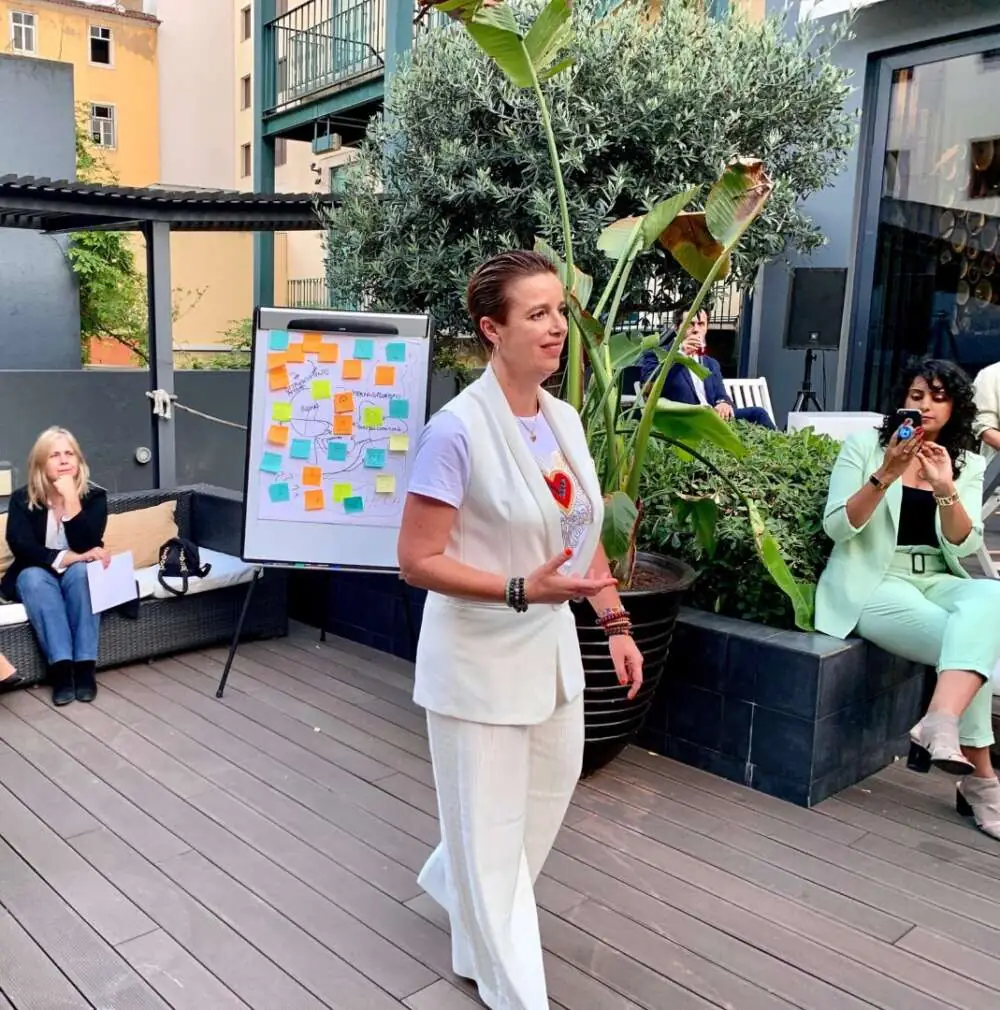
12. Wellbeing for Managers: Leading Yourself First
A half-day workshop that addresses the specific wellbeing challenges of managers: higher accountability, more emotional labour, often inadequate support from above. Covers self-assessment of current wellbeing state, personal recovery practices, and the manager’s role in creating a wellbeing-supportive team culture. Best run as a cohort program: a group of managers working through the same content together, with time to share experiences and build peer support. In-person for maximum impact.
13. Leading with Empathy Workshop
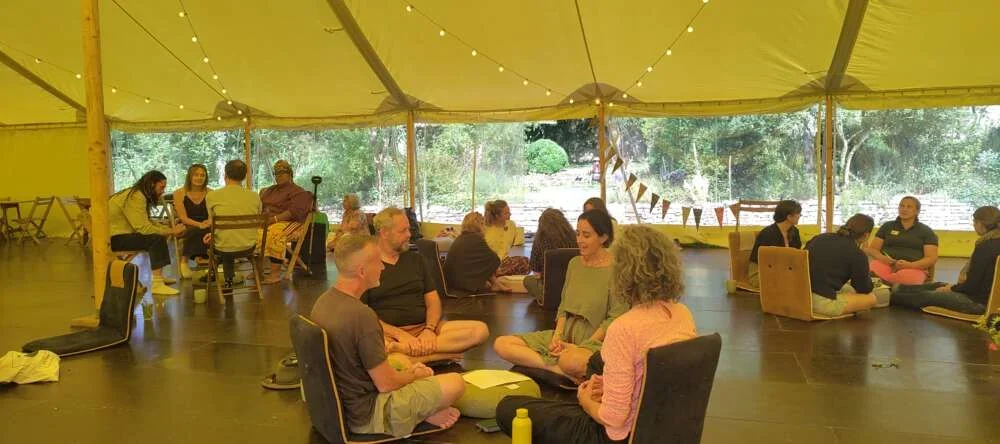
A 2 to 3 hour workshop on empathic leadership: distinguishing empathy from sympathy, developing the skill of listening to understand rather than to respond, and having effective wellbeing check-in conversations with team members. Particularly effective in organisations that are asking managers to take on more pastoral responsibility without equipping them for it. Combines discussion, practice, and structured peer feedback. Can be delivered in-person or hybrid.
Best Wellbeing Workshops for Hybrid Teams
Hybrid teams face specific wellbeing challenges: connection deficits between remote and in-person employees, asynchronous communication fatigue, and the difficulty of building shared culture across physical distance. The best hybrid wellbeing workshops address these specific challenges rather than simply delivering a generic wellness session over video call.
14. Collaborative Creativity and Connection Workshop
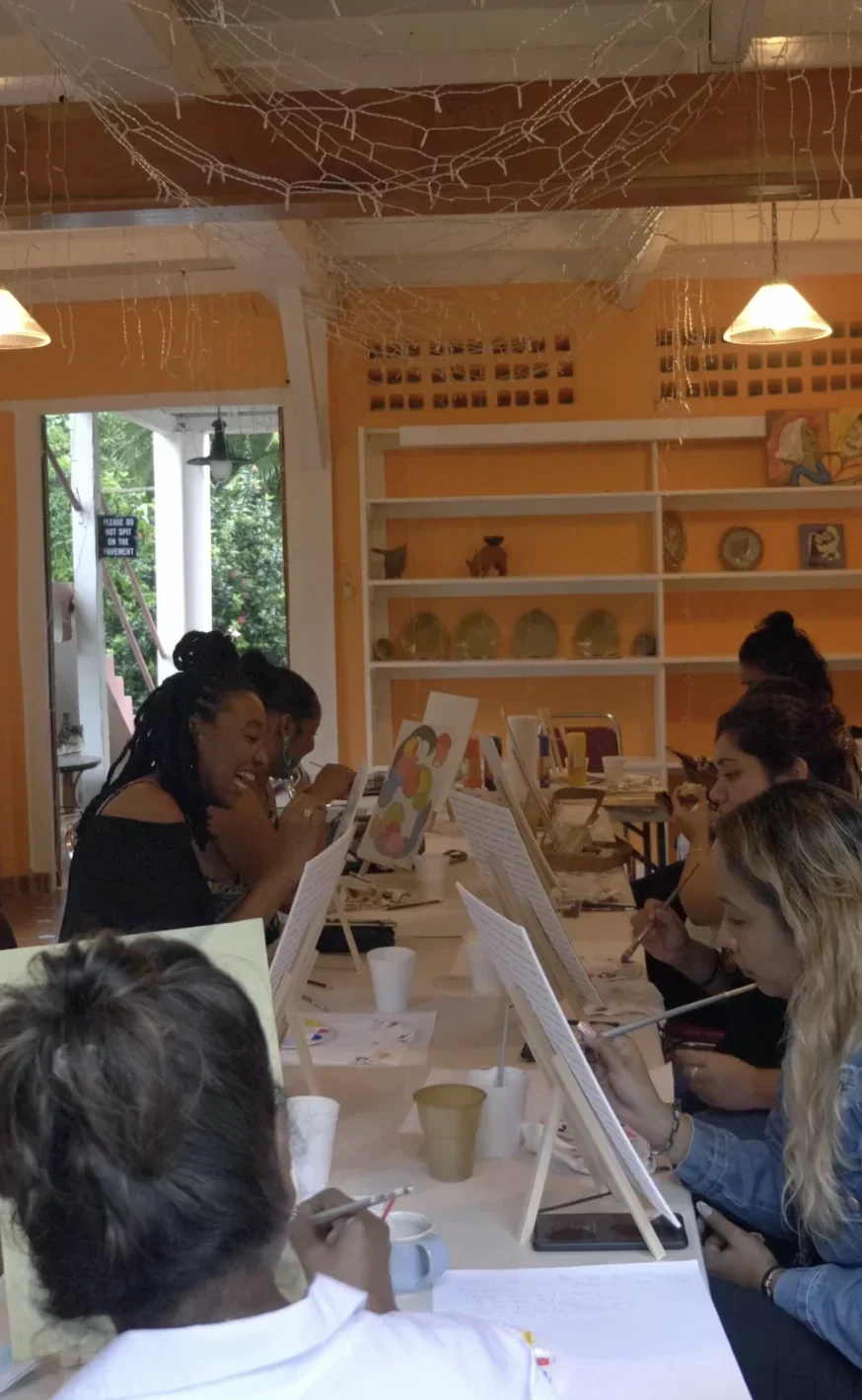
A facilitated creative session (fragrance co-creation, collaborative art, storytelling, or improvisation) that is specifically designed to work across hybrid environments, using the shared creative process to build genuine connection between participants regardless of their location. Duration: 2 to 3 hours. Most effective when the in-person and remote experiences are genuinely equivalent rather than the remote participants being observers of a room-based activity. Best delivered by a facilitator experienced in hybrid design.
15. Storytelling and Meaning at Work
A workshop using personal storytelling to build connection, explore shared values, and strengthen sense of purpose. Participants share brief personal stories (about a challenge overcome, a moment of pride, or what brought them to this work), guided by a skilled facilitator. Two hours. Works well in both fully in-person and hybrid formats. Particularly effective as a culture-building moment during onboarding cohorts, team changes, or organisational transitions when employees are looking for meaning and connection.
Sample 60-Minute Workplace Wellbeing Workshop
| Time | Activity | Purpose |
|---|---|---|
| 0:00 to 0:05 | Welcome and context-setting | Frame the session; establish what participants will get from the next hour |
| 0:05 to 0:15 | Check-in exercise: where are you starting from? | Invite honest self-assessment; build psychological safety in the group |
| 0:15 to 0:35 | Core content: the science and the tools | Evidence-based input on the session topic (e.g. stress, sleep, energy); keep this to 20 minutes maximum |
| 0:35 to 0:50 | Experiential practice | Participants try the key tool or technique: a breathing practice, a reflection exercise, a movement sequence |
| 0:50 to 0:57 | Personal commitment: one thing I will do this week | Translate the session into a specific, small behavioural intention, the single most important predictor of follow-through |
| 0:57 to 1:00 | Close and signpost | Affirm the commitment; signpost any resources or next sessions |
Sample Half-Day Wellbeing Workshop Agenda
| Time | Session | Format | Purpose |
|---|---|---|---|
| 09:00 to 09:15 | Welcome, context and working agreements | Facilitated plenary | Set psychological safety; frame the half-day |
| 09:15 to 09:45 | Wellbeing check-in: where are we as a team? | Structured sharing | Honest baseline; build connection and normalise the conversation |
| 09:45 to 10:30 | Core session 1: stress, energy and resilience: the science | Facilitated input + discussion | Build shared understanding of the mechanisms; reduce stigma |
| 10:30 to 10:45 | Break | ||
| 10:45 to 11:30 | Core session 2: experiential practice | Guided practice (breathwork, mindfulness, movement, or sound) | Experience the tool directly; give participants something they can use immediately |
| 11:30 to 12:00 | Personal and team commitments | Individual reflection and group discussion | Translate the session into named intentions; build mutual accountability |
| 12:00 to 12:15 | Close: resources, next steps and appreciation | Plenary | Reinforce key messages; signpost follow-on support; close intentionally |
To extend the half-day into a full programme, see this sample corporate wellbeing day agenda.
Corporate Wellness Workshops, Wellbeing Events and Training
Every idea in this guide can be booked in the format your organisation needs:
- Corporate wellness workshops run for 45 to 90 minutes at your office or online, built around breathwork, mindfulness, movement or sleep.
- Workplace wellbeing workshops for a whole team take a half day, pairing a practical session with a facilitated conversation about pressure and recovery.
- Corporate wellbeing events turn a wellbeing day, a conference or an offsite into a programme, with several experts running sessions in parallel.
- Corporate wellbeing training is a short series for employees and managers that builds shared skills for stress, energy and boundaries.
- Mental health workshops for employees are non-clinical sessions that help people recognise pressure early and know where to turn for support.
Book the format that fits the moment, from one team to the whole company.
To book any of them, share the size of the team, where they are based and the dates you have in mind. You quickly receive matched formats and the experts who would lead them, and every option is on our corporate wellness workshops and wellbeing events page.
How to Measure Wellbeing Workshop Impact
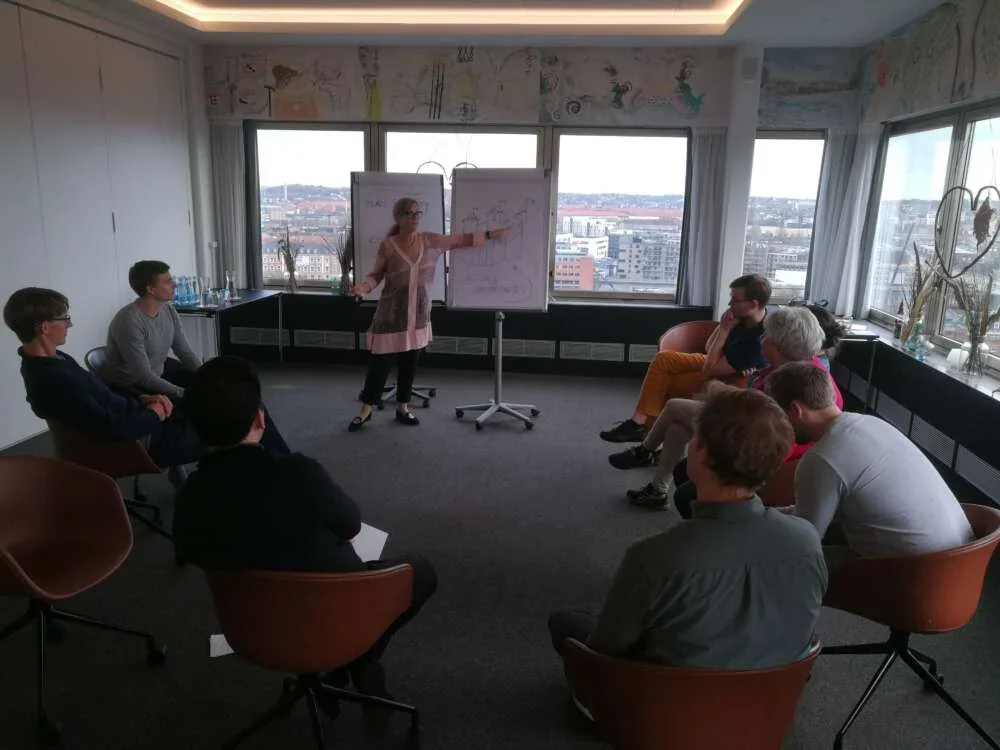
Measurement is the difference between a wellbeing program and a wellbeing activity. Most corporate wellbeing workshops are not measured at all, which makes it impossible to demonstrate their value to the business or improve them over time. A simple measurement approach that does not require specialist tools is below; Culture Vitale builds it in through the Impact Index, a before-and-after read with a report and certificates (how measurement works).
Before the workshop
- Run a 4 to 6 item pulse survey covering the specific wellbeing dimension the workshop targets (e.g. stress levels, energy, sense of support)
- Include one open question: “What would make the biggest difference to your wellbeing at work right now?”
- Share the anonymised results with the facilitator before the session so the content can be calibrated to the actual group
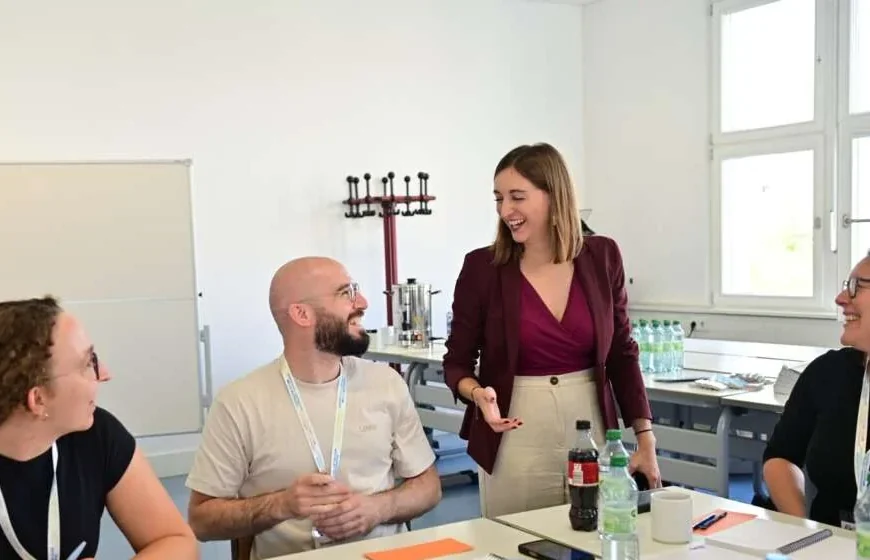
Measure the one thing the session set out to change, before and after.
Immediately after the workshop
- 3-question satisfaction survey: overall rating, most valuable element, one thing they will do differently
- Capture the specific commitment made by each participant (ideally written, not just spoken)
What to track over time
- Repeat the pre-workshop pulse survey 4 weeks later to assess movement on the target dimension
- Track relevant HR metrics: absence rates, eNPS (employee net promoter score), manager-reported team wellbeing
- For burnout prevention programs specifically: monitor sick leave patterns and manager escalations over 6 months
What the Best Corporate Wellbeing Workshops Get Right
- Building in follow-up. Planning for a minimum of three sessions per year on any given wellbeing theme, or embedding workshops within a broader program that includes self-directed tools and manager reinforcement, turns a day’s goodwill into lasting change and new habits.
- Calibrating content to the group. A stress workshop for a fast-paced trading floor gets different content, framing, and tone than one for a healthcare team experiencing compassion fatigue. Briefing the facilitator thoroughly and, where possible, running a pre-survey helps them understand the actual landscape of the group.
- Treating wellbeing as a people strategy. The best wellbeing programs work at both the individual and systemic level, pairing mindfulness workshops and similar sessions with attention to workload, management behaviours, and structural conditions.
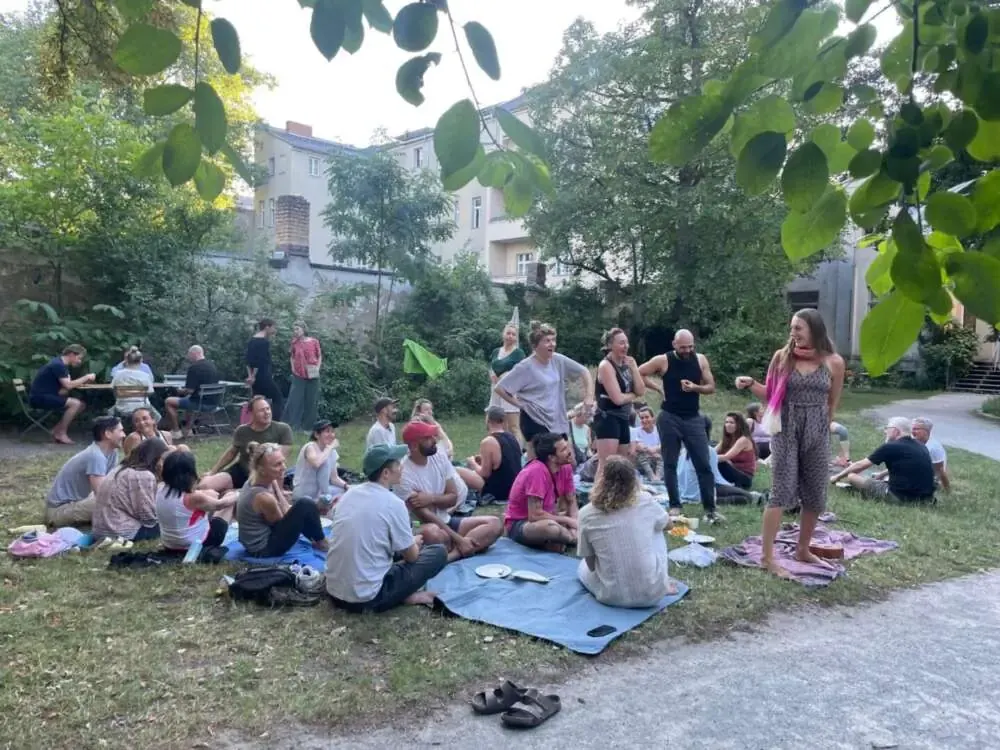
- Making attendance a genuine choice. Sessions that are available and actively communicated let people self-select based on their own needs and readiness, especially for sessions involving emotional content, physical activity, or personal reflection.
- Timing sessions well. Positioning sessions when people have enough cognitive and emotional capacity to actually benefit from them strengthens their credibility and impact.
- Involving managers. Running a brief manager briefing before any team wellbeing program, and considering including managers in the sessions themselves, helps managers understand, model, and reinforce what the workshop covered.
Wellbeing Workshop Measurement Checklist
| What to Measure | How | When |
|---|---|---|
| Self-reported stress levels | Pulse survey (1 to 5 scale) | Before, immediately after, 4 weeks after |
| Self-reported energy levels | Pulse survey (1 to 5 scale) | Before, immediately after, 4 weeks after |
| Session satisfaction | End-of-session survey: rating + open comment | Immediately after each session |
| Behavioural intention follow-through | Self-report at 2 weeks: did you do the one thing? | 2 weeks after each session |
| Absence rate | HR data: compare pre/post program periods | 3 and 6 months after program |
| Employee engagement / eNPS | Existing engagement survey or eNPS question | 6 months post-program |
| Manager-observed team wellbeing | Manager survey or 1:1 question | Monthly during program |
When you are ready to bring a session to your own team, our guide to choosing a corporate wellbeing workshop provider shows how to match the facilitator and the format to your people.
Frequently Asked Questions: Corporate Wellbeing Workshops
What are the best wellbeing workshop ideas for employees?
The best corporate wellbeing workshop ideas are those matched to the specific needs of your team and moment. For stress regulation, breathwork and mindfulness fundamentals are consistently effective. For energy and focus, energy management and sleep workshops produce strong practical outcomes. For burnout prevention, psychological safety workshops and boundary-setting sessions address root causes rather than symptoms. The most effective programs combine multiple formats over a series of sessions rather than relying on a single workshop.
What corporate wellbeing workshops actually work?
Workshops that produce measurable, lasting change share four characteristics: they target a specific goal (not “wellbeing” in general), they are facilitated by genuine domain experts, they are part of a series rather than a one-off event, and they are measured with pre/post data. Single-session interventions can shift mood and awareness, but they rarely change behaviour. Programs that run over 6 to 12 weeks with regular reinforcement produce significantly stronger outcomes on stress, engagement, and absence metrics.
What can we include in a workplace wellbeing day?
A wellbeing day works best when it has a clear theme rather than attempting to cover all aspects of wellbeing simultaneously. Good formats: a morning of physical sessions (movement, breathwork) followed by an afternoon of mental and relational sessions (mindfulness, team connection, storytelling). Build in unstructured time: employees need breathing room within a wellbeing day or the irony becomes visible. Avoid making every session mandatory; offer 2 to 3 parallel tracks so people can choose what they need most.
How long should a corporate wellbeing workshop be?
The right duration depends on the goal and format. An energiser or restorative session (sound bath, movement, breathwork) works well in 45 to 60 minutes. A skills-based session (mindfulness fundamentals, energy management, resilience tools) needs 90 minutes to 2 hours to include both content and practice. A deeper workshop addressing burnout, psychological safety, or manager wellbeing requires 2 to 3 hours or a half-day to allow for meaningful dialogue and personalisation.
How do you measure the impact of a wellbeing workshop?
The simplest approach is a pre/post pulse survey on the specific wellbeing dimension the workshop targets (stress, energy, or sense of support), run before and 4 weeks after the session. Supplement this with an end-of-session satisfaction survey and a 2-week follow-up on behavioural intentions. For longer programs, track HR metrics: absence rates, engagement scores, and manager-reported team wellbeing. The key is to choose metrics before the program starts, not after.
Should wellbeing workshops be mandatory?
No. Compulsory wellness sessions consistently generate resistance and reduce their own effectiveness, particularly when they involve personal reflection, physical activity, or emotional content. Make sessions clearly available, actively communicated and, where appropriate, positioned as part of the working day rather than outside of it. The goal is to make participation easy and appealing, not obligatory. Senior leader endorsement (and attendance) is one of the most effective ways to signal that the program is valued without making it mandatory.
What is the difference between a wellbeing workshop and a wellbeing program?
A wellbeing workshop is a single facilitated session covering a specific topic. A wellbeing program is a structured sequence of workshops, resources, and practices over a period of time (typically 3 to 12 months) designed to produce lasting change in a specific dimension of employee wellbeing. A single workshop can shift awareness and introduce tools; a program is what changes culture and behaviour. Most organisations benefit from running 1 to 2 programs per year on their most critical wellbeing challenges, supplemented by one-off sessions for specific moments or teams.
How much does a corporate wellbeing workshop cost?
Cost depends on the format, the length of the session, the size of the group and where it takes place. A focused session for one team, a half-day workshop and a multi-session program across a larger organisation are each shaped differently, including whether measurement before and after is built in. Culture Vitale sends one all-inclusive proposal for your brief, so every element is clear from the start. Weighed against the cost of a single day’s absence or attrition, expert facilitation is a sound investment.
What wellbeing workshops work best for remote or hybrid teams?
For hybrid teams, the most effective wellbeing workshops are those specifically designed for the hybrid format, not in-person sessions broadcast over video. Collaborative creativity workshops (art, storytelling, fragrance co-creation) can be designed to work across both in-person and remote participants simultaneously. Mindfulness, breathwork, and energy management sessions also translate well online. Avoid formats that rely on physical shared materials, room-based dynamics, or non-verbal cues that do not work on a screen.
How Culture Vitale Approaches Corporate Wellbeing Workshops
Culture Vitale designs corporate wellbeing workshops that connect evidence-based practice with the specific context of each team. Every program begins with a diagnostic conversation: what is the organisation trying to address, what are the early signals of stress or disengagement, what does the team already know about wellbeing, and what format will land well given the culture. The goal is never to run a generic wellness session; it is to design something that the participants will find genuinely useful and that HR and L&D can point to as producing real change.
Culture Vitale’s curated network of expert facilitators, called Culturists, includes breathwork practitioners, organisational psychologists, mindfulness teachers, movement specialists, and creativity facilitators, all with backgrounds in workplace contexts. Sessions can be designed as standalone 60-minute energisers, 2 to 3 hour workshops, half-day programs, or multi-session programs running across a quarter or year. The offer includes optional pre and post measurement so that impact is visible and reportable to stakeholders.
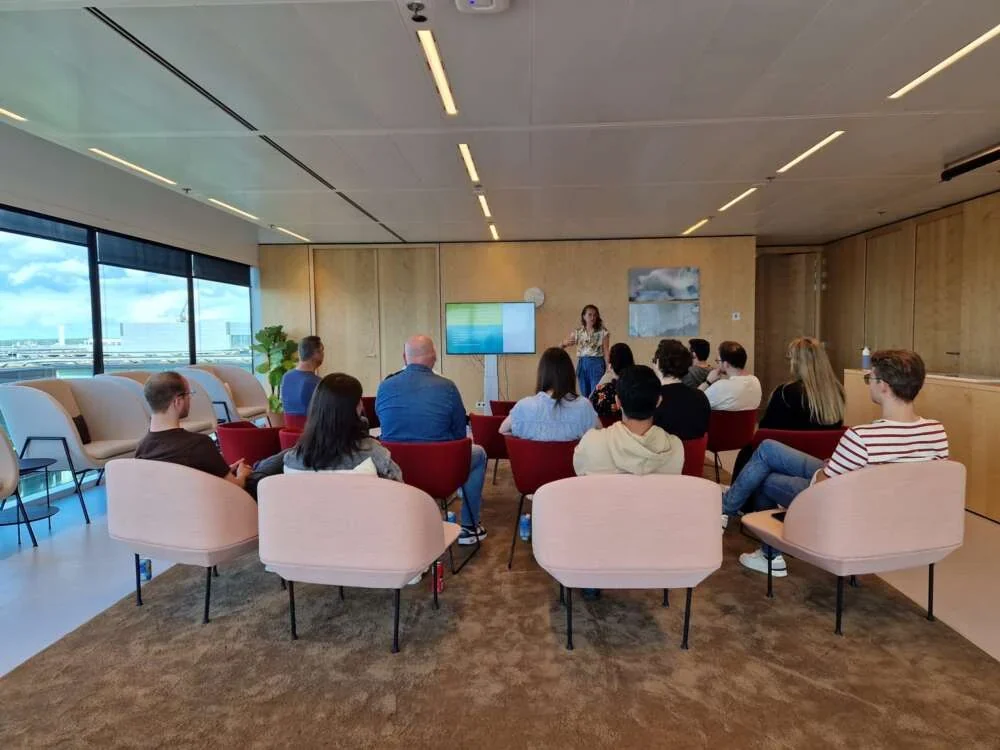
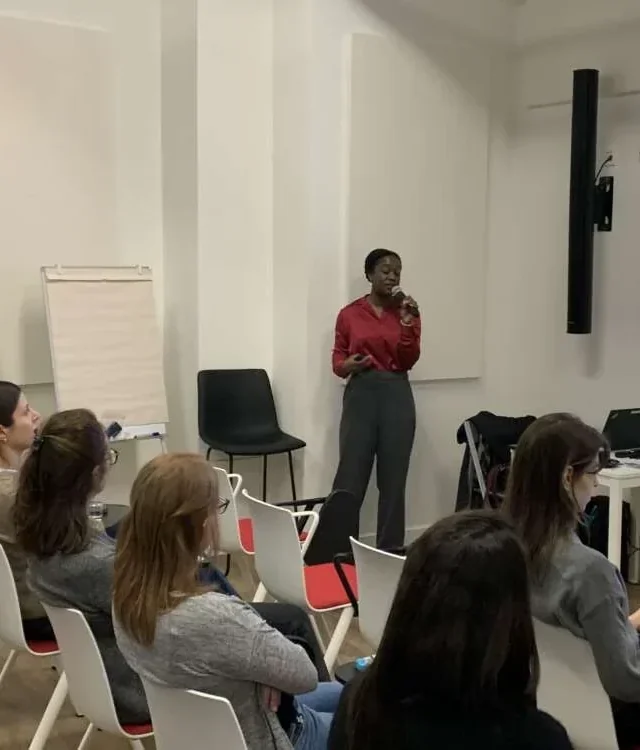
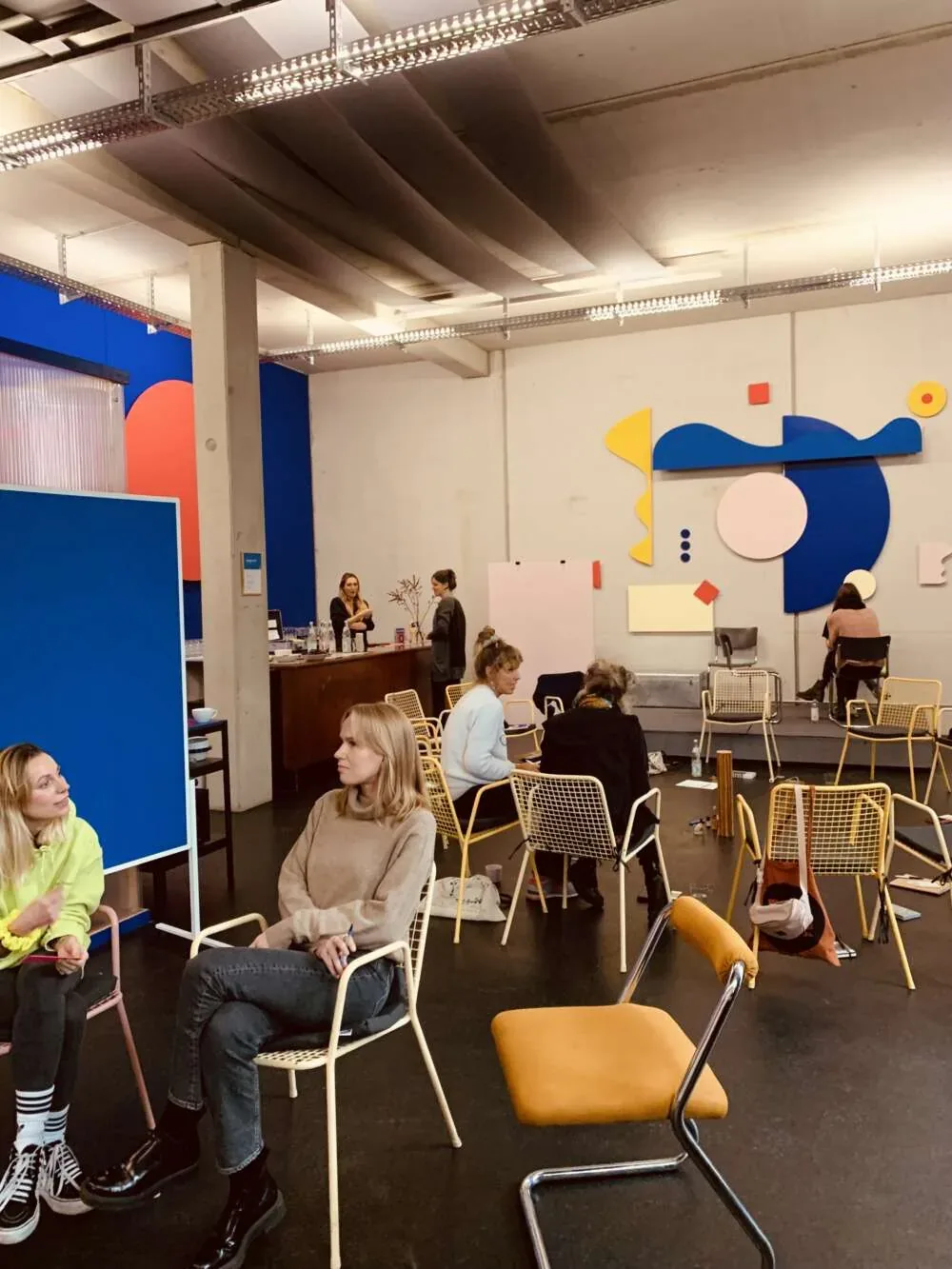
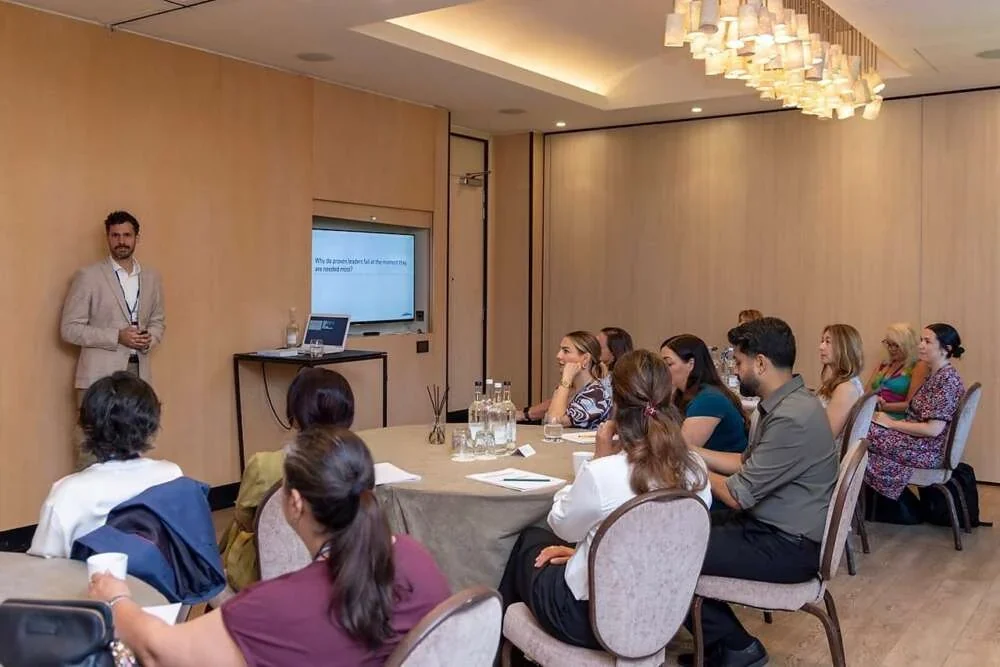
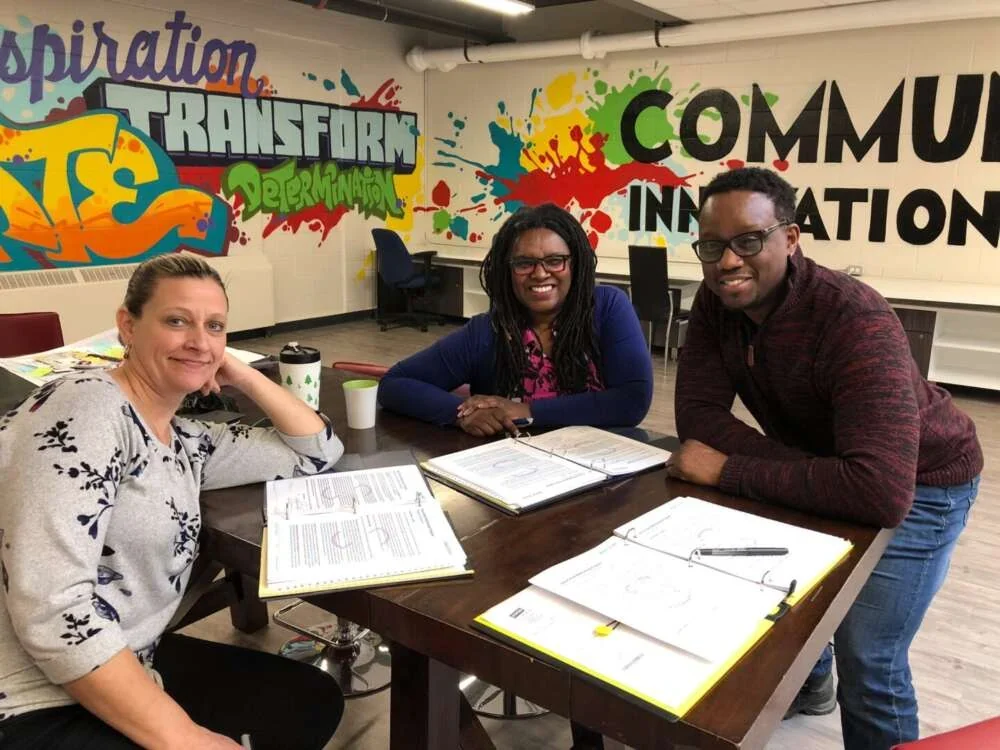
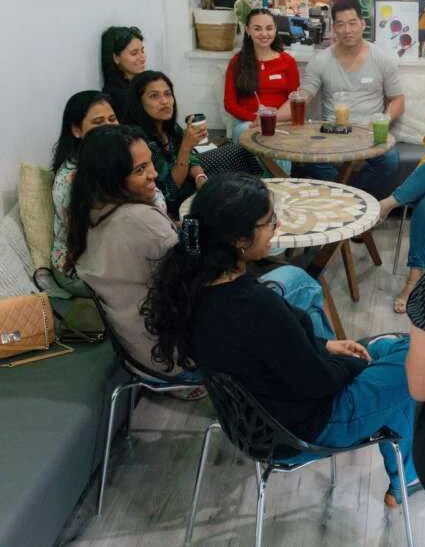
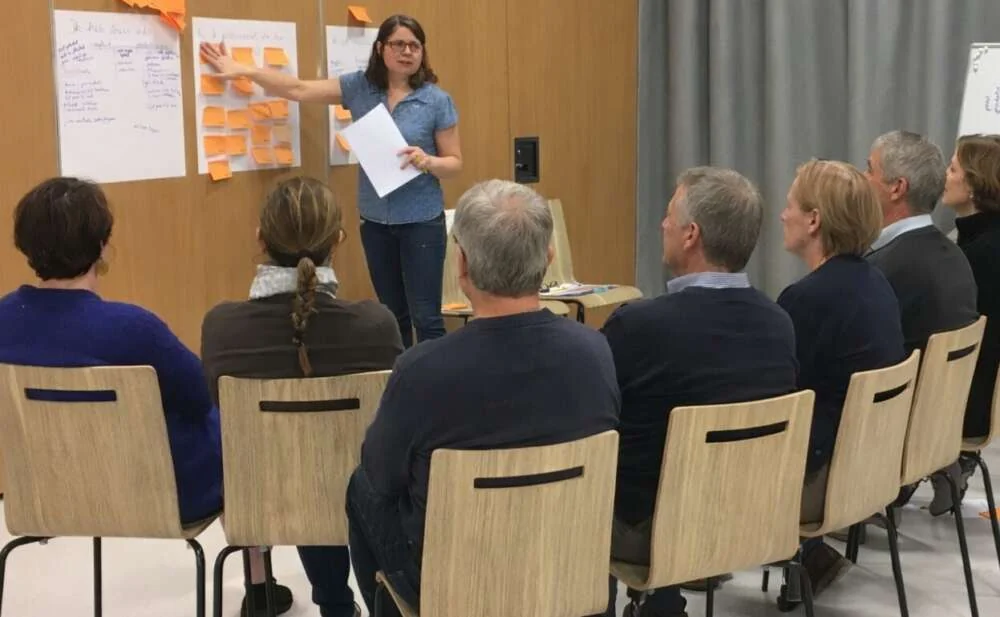
Each session is matched to its room and built to show a real result.
For teams looking to address employee wellbeing at a systemic level, not just through individual sessions but through how the team works together, Culture Vitale also offers employee wellbeing programs that integrate workshops with manager briefings, team norms work, and ongoing reinforcement. For HR, L&D, and People teams who need to demonstrate ROI on wellbeing investment, this structured approach provides the evidence base to do so.
Related Services
- Corporate wellbeing workshops
- Employee wellbeing programs
- Corporate team building
- Employee engagement workshops
- Leadership development workshops
- All Culture Vitale services for companies
Related guides
Sources and further reading
- Gallup. (2026). State of the Global Workplace 2026 Report. Gallup Inc.
- World Health Organization. (2022). Mental health in the workplace. WHO.
- Maslach, C., & Leiter, M. P. (2016). Understanding the burnout experience: Recent research and its implications for psychiatry. World Psychiatry, 15(2), 103 to 111. Article.
- Edmondson, A. C. (1999). Psychological safety and learning behavior in work teams. Administrative Science Quarterly, 44(2), 350 to 383.
- Crane, R. S., et al. (2017). What defines mindfulness-based programs? The warp and the weft. Psychological Medicine, 47(6), 990 to 999. Article.
- Gallup, global workplace data
- University of Oxford, mindfulness research
- Google re:Work, Project Aristotle
- Harvard Business Review, Manage your energy
- The Power of Full Engagement
Bring a wellbeing workshop to your team
Share the team, the pressure they are working under and the timing. We reply with formats, the experts who would lead them and a before-and-after read of the result.
Tailored options, quickly.